
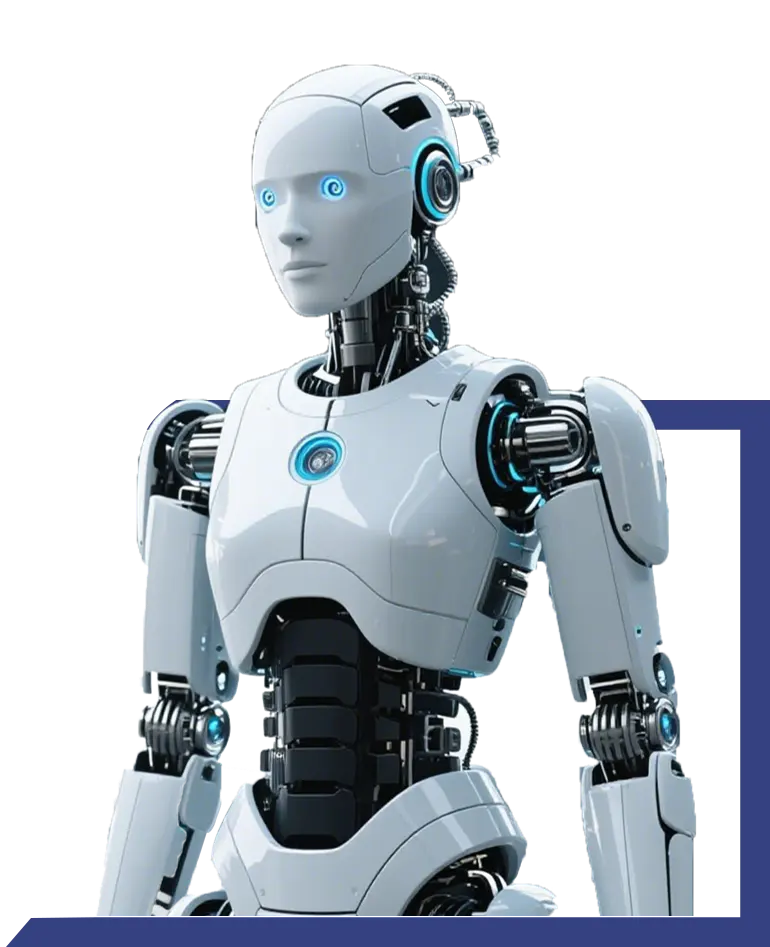
The robot market is growing rapidly,With world-renowned companies such as Tesla, XPeng, Boston Dynamics, ABB, and KUKA all laying out plans for the future robot market. Robots will play a crucial role in future life, medical care, industrial production, and other fields. In the future, each family may have at least one or even several robots to serve all aspects of life; robots will also provide stable and efficient services in various public places. When combined with AI, the capabilities of robots will become even more powerful.
Current Status and Future Applications of Robots
In just a few years of the rapid development of robots, their applications have become very widespread, covering various fields of our lives.
Domestic Applications
For example, household service robots can clean the house, do laundry, cook, pick up parcels, and more. Combined with AI capabilities, if a cleaning tool is damaged while cleaning, the robot can use its AI to identify the faulty part, independently replace the accessory, and repair the cleaning tool.
Industrial Applications
Another example is welding robots in industry. When performing welding operations, they can detect deviations in weld seams or reduced welding quality caused by wear of the welding torch tip through AI vision. They can then independently call up preset parameter adjustment algorithms to real-time correct the welding path and current/voltage parameters.
LOGISTICS APPLICATIONS
The current express delivery industry relies heavily on human labor, with millions of workers in China alone. However, there are frequent safety hazards of traffic accidents involving couriers and food delivery riders during the delivery process. To address this pain point, a collaborative delivery model combining drones and community robots has emerged: drones handle long-distance transportation to deliver packages to designated stations near communities, and then community delivery robots complete the “last-mile” door-to-door delivery. This model not only reduces labor costs but also fundamentally avoids traffic safety risks during manual delivery, providing a new solution for the safe and efficient development of the express delivery industry.
Medical and Health Field
Surgical robots, equipped with high-precision robotic arms and AI technology, can perform precise minimally invasive surgical operations, reducing trauma and risks. Rehabilitation robots develop personalized training programs for disabled or post-operative patients to assist in the recovery of limb functions. Medicine delivery robots move independently in hospitals to deliver medicines, reducing errors and cross-infections.
Public Service Field
Navigation robots at transportation hubs provide inquiry and guidance services for passengers. Educational robots assist in teaching through interactive teaching and AI analysis. Environmental cleaning robots will replace sanitation workers to support urban management.
Special Operations Field
Fire-fighting and rescue robots enter dangerous areas for search, rescue, and fire extinguishing, reducing casualties. Oil pipeline inspection robots identify pipeline defects and warn of faults. Space robots collect samples and detect data on the surface of planets, breaking through the physical limitations of human space exploration.
Agricultural Field
With the promotion of scientific planting, robots will replace agricultural workers. Combined with AI analysis, robots can accurately identify crops and weeds, and apply pesticides on demand to improve efficiency. Soil detection robots collect samples to analyze nutrients and provide precise fertilization recommendations.
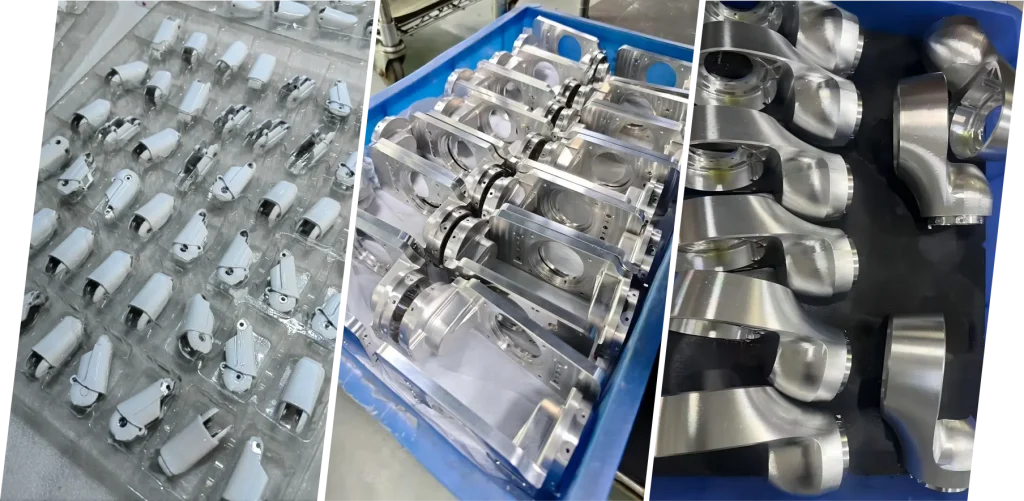
GREFEE has been involved in the robot industry since its early development stage. With great foresight, the company launched the strategic layout of manufacturing core components for robots five years ago. Relying on accurate judgment of industry development trends, it has made every effort to seize the high-end manufacturing track. To ensure the processing accuracy and quality stability of precision parts, the company has invested heavily in introducing more than 20 sets of world-class high-precision 5-axis machining centers. These devices have ultra-high repeat positioning accuracy and complex surface machining capabilities, which can accurately meet the strict processing requirements of core components such as robot joints, transmission components, and end effectors.
GREFEE’s R&D Achievements
As the final component for completing operational tasks, the dexterous hand is one of the most important core components of humanoid robots. Its design and manufacturing must take flexibility and functionality into account. GREFEE has successfully developed electronic skin materials, which possess a variety of excellent properties:
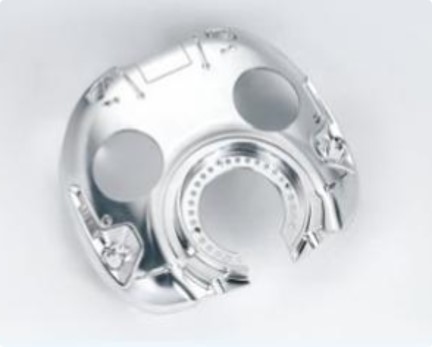
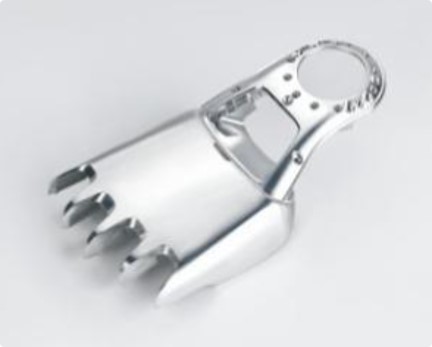
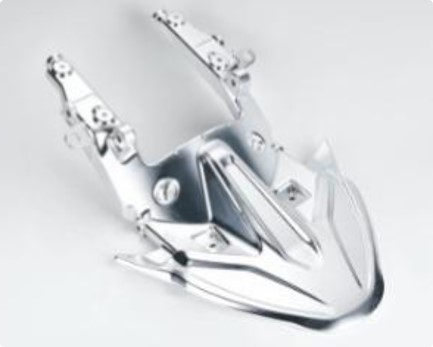
1.Similar to a human hand, it can display information like a screen, showing various data such as temperature, humidity, and operation instructions, facilitating interaction between users and robots.
2.This electronic skin material can connect with brain-computer interfaces. When a human brain sends instructions, the electronic skin can accurately receive the signals and drive the robot’s limbs to make movements similar to human fingers, greatly improving the control flexibility and precision of the robot.
3.The manufacturing process of such electronic skin materials is highly challenging, requiring overcoming multiple technical difficulties such as material compatibility, signal transmission stability, and durability. GREFEE invested a lot of effort in the R&D process, and after numerous experiments and optimizations, finally achieved the successful development of this material.
GREFEE’s Manufacturing Achievements
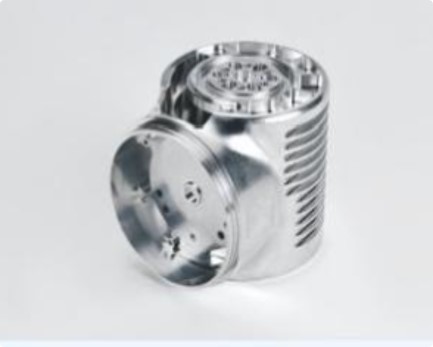
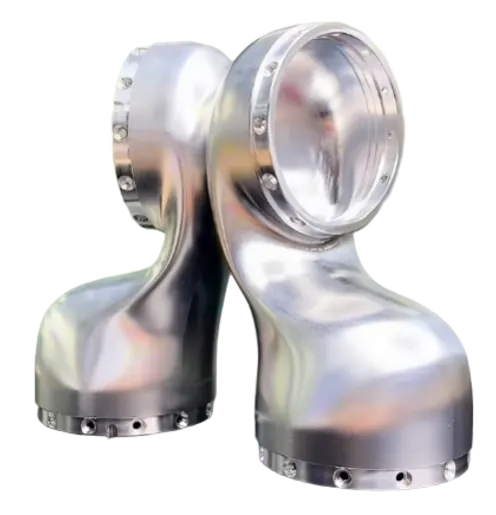
In the past decade of the vigorous development of the robot industry, GREFEE has focused on the field of core robot accessories, providing customized design and manufacturing services for major robot companies around the world. Relying on solid technical accumulation and strict quality control, it has successfully delivered a variety of accessories including dexterous hands, complete machine casings, functional connectors, precision gears, and core structural parts, with a total output exceeding 1 million pieces. This provides solid support for the innovation, upgrading, and efficient implementation of the global robot industry.
GREFEE Humanoid Robot Parts Manufacturing
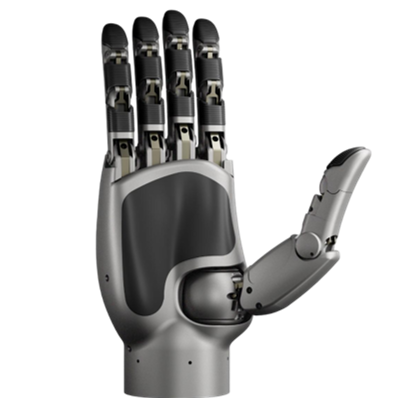
The dexterous hand is one of the core components of GREFEE’s humanoid robots. Its design and manufacturing fully consider flexibility and functionality. The latest dexterous hand has dozens of movement angles, and its range of motion and flexibility even surpass those of a human hand. Especially in the field of disability assistance, the dexterous hand can be used as the core component of a prosthetic limb to help disabled people. Through brain-computer interfaces or other control methods, disabled people can control the dexterous hand to perform daily activities such as grasping objects, getting dressed, and eating, significantly improving their quality of life.

In terms of material selection, different parts of the dexterous hand use a variety of materials based on functional requirements. The main materials are plastic, aluminum alloy, bronze, and titanium alloy. These materials are cleverly combined according to different usage environments, properties, and functions to form a flexible, durable, and reliable dexterous hand, thereby accurately realizing complex movements such as grasping and operating.
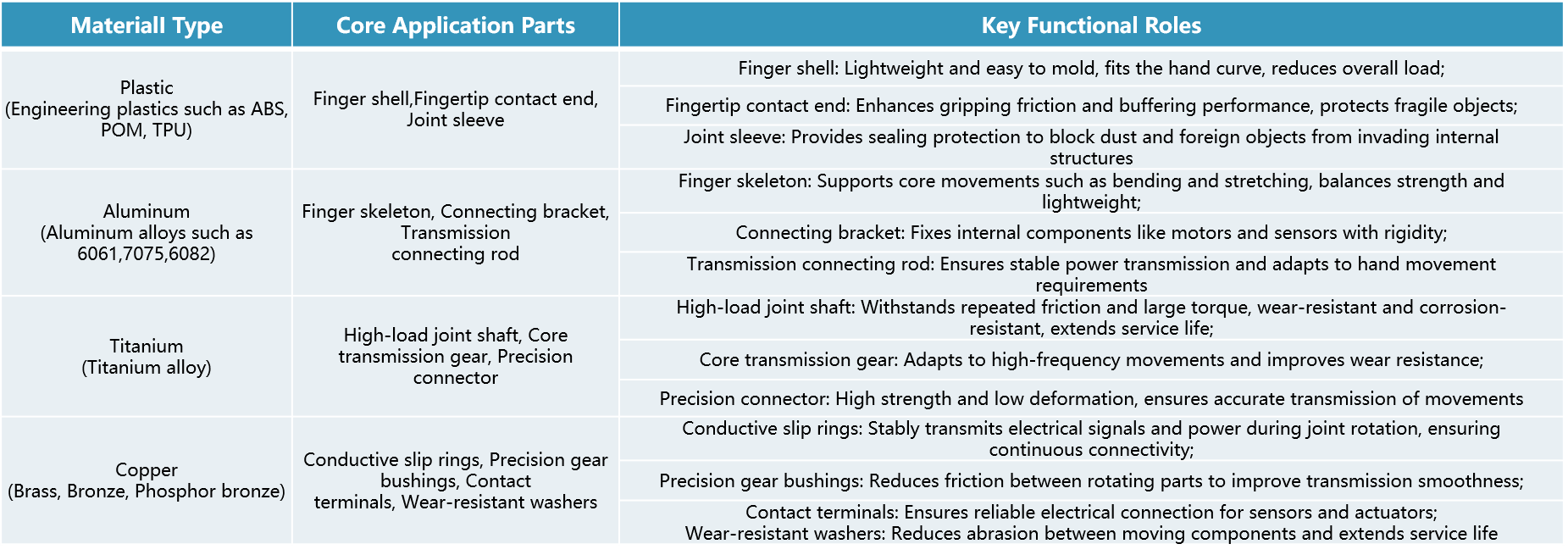
With the rapid iteration of dexterous hand technology, miniaturization, lightweight design, and high flexibility have become the core development trends of the industry. This trend drives the internal components of dexterous hands to evolve toward smaller sizes and more complex structures, placing increasingly strict requirements on part processing accuracy, surface quality, and assembly compatibility, and also bringing considerable challenges to the precision manufacturing process.
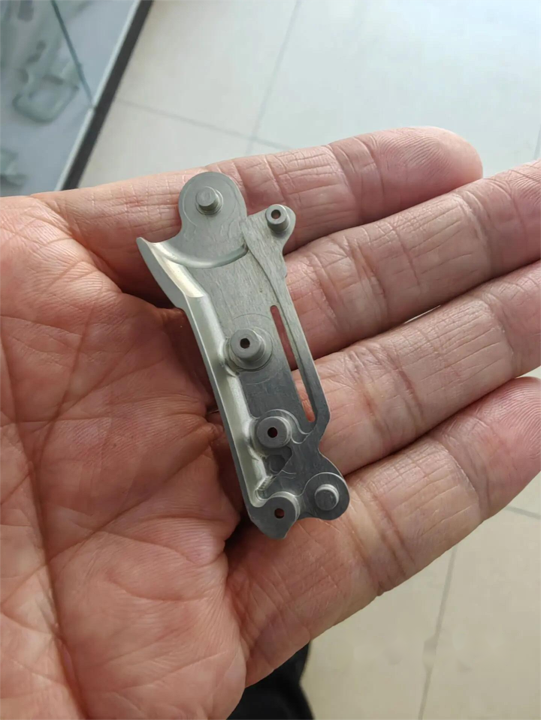
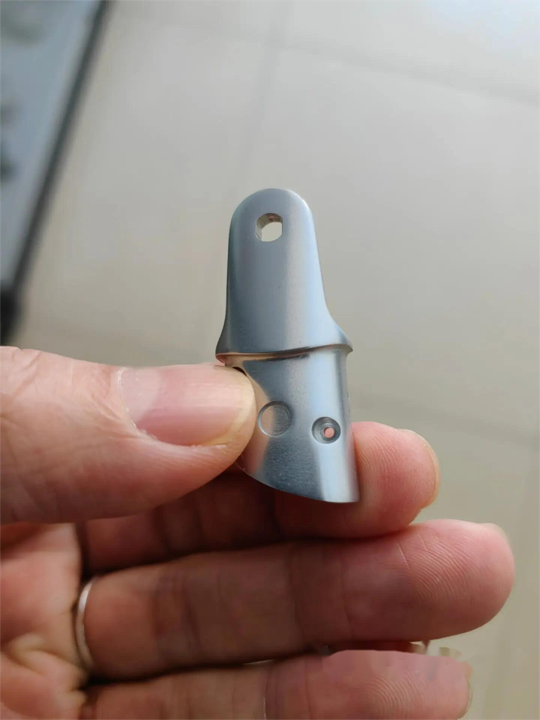
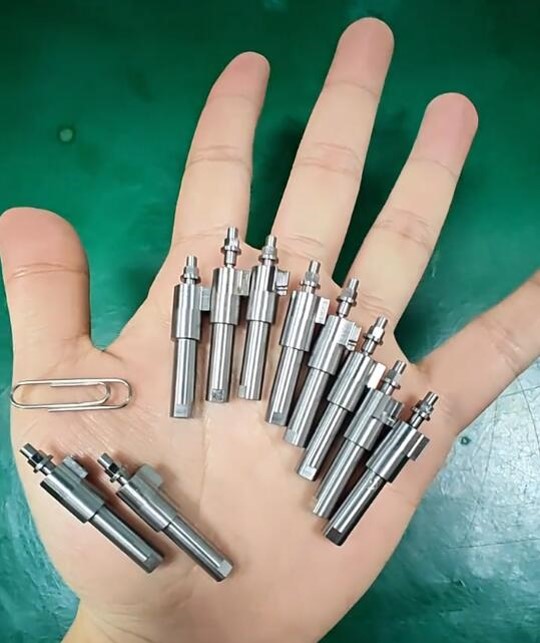
However, this industry challenge is easily manageable for GREFEE. Our CNC machining workshop is equipped with the latest generation of DMG MORI 5-axis machines. With their ultra-high rigidity design, precise servo drive systems, and advanced intelligent control technology, these machines can easily meet the complex processing requirements of small and precision parts for dexterous hands. Whether it is the milling of complex surfaces, the drilling of small holes, or the control of high-precision tolerances, stable and efficient processing can be achieved. The processing accuracy can be precisely controlled within 0.005mm, exceeding most standards and perfectly meeting the strict precision requirements of dexterous hand parts, providing customers with high-quality component solutions that are both reliable and consistent.
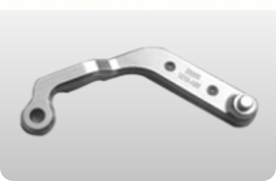
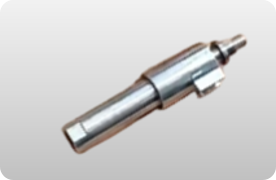
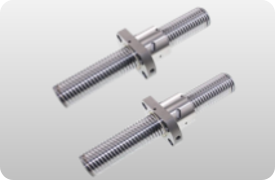
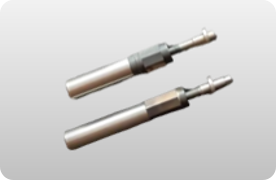
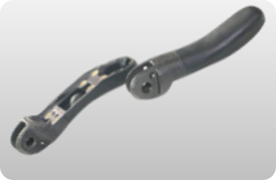
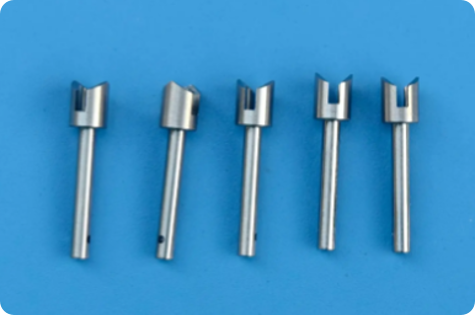
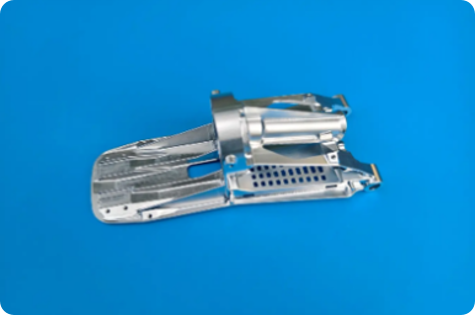
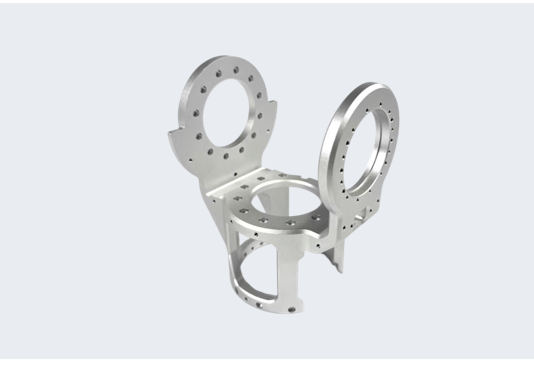
Connecting Parts
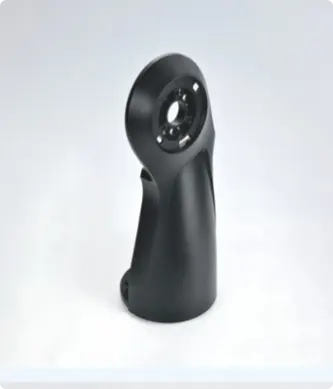
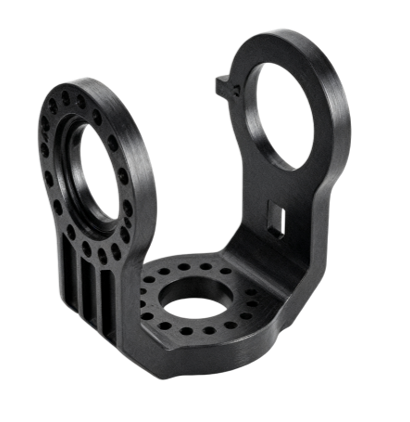
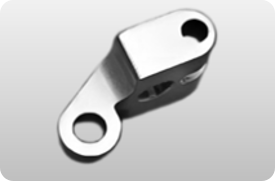
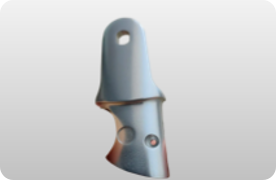
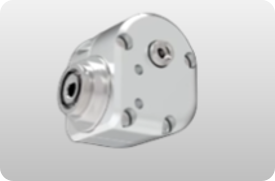
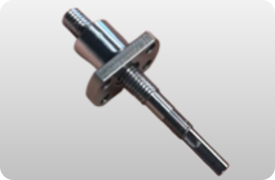
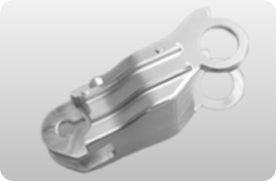
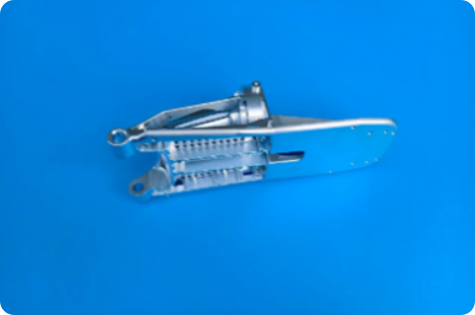
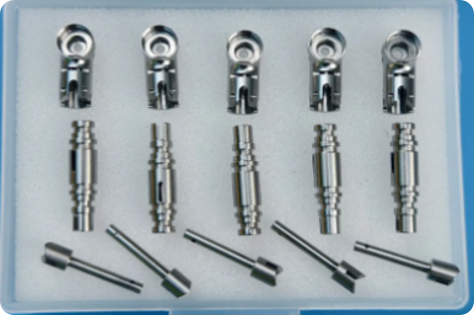
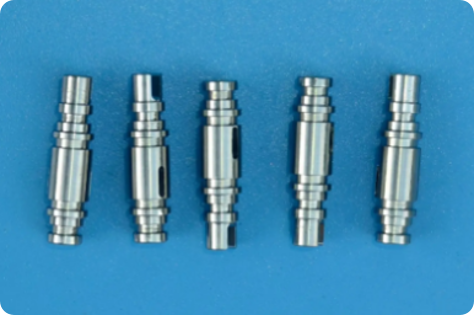
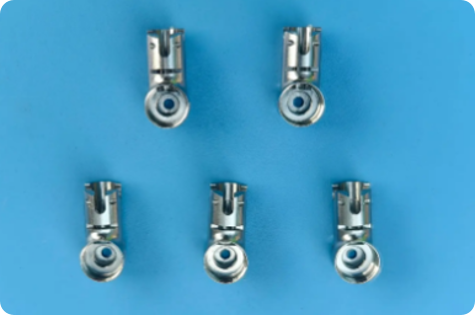
Structural parts mainly play a role in connecting various components, enabling them to work together. As the key hub for the coordinated operation of various robot modules, the quality of connecting parts directly determines the stability, reliability, and service life of the entire robot. Therefore, there are extremely strict requirements on their core performance indicators, especially in terms of material strength, dimensional accuracy, and surface treatment.
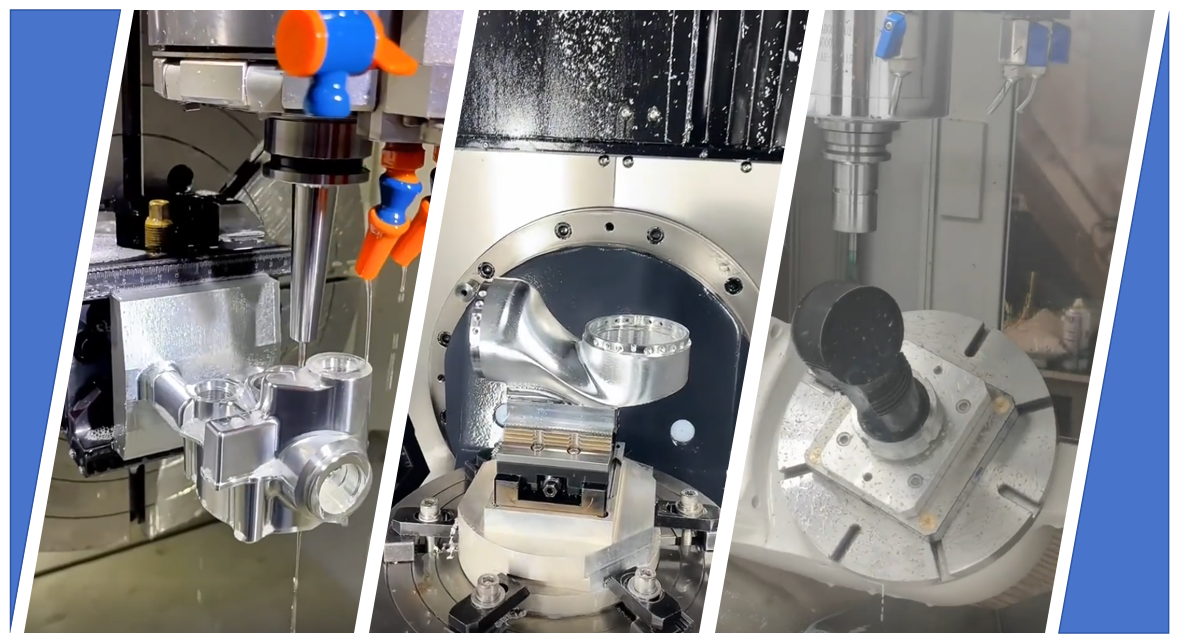
In terms of materials, high-strength alloy materials such as stainless steel and 7075 aluminum alloy are mainly used. These materials have excellent strength and rigidity, which can withstand various impact forces generated during the robot’s movement and ensure the stability and reliability of the connection.
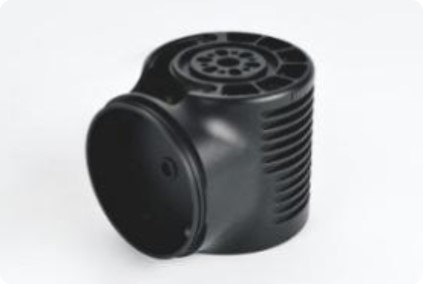
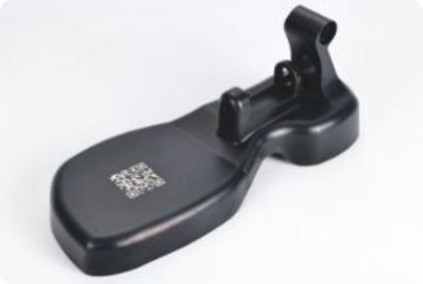
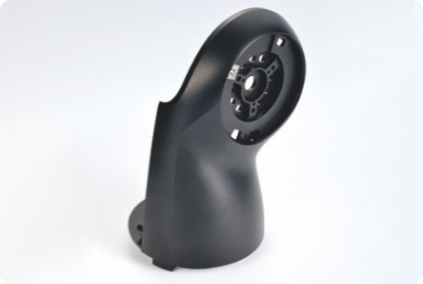
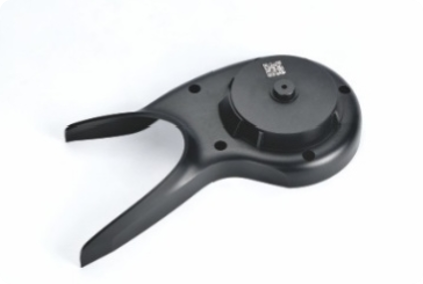
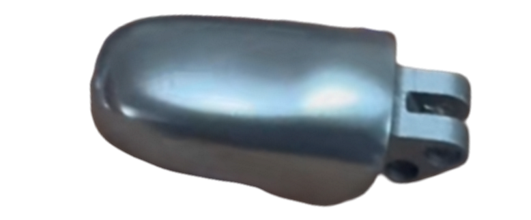
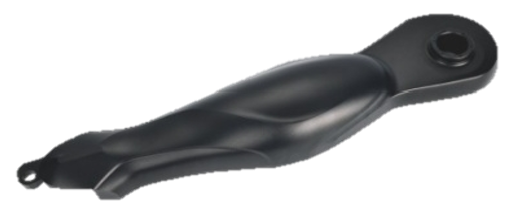
In terms of precision, these parts have numerous dimensional accuracy and geometric tolerances, such as parallelism, hole position accuracy, and perpendicularity. Any deviation may affect the coordinated movement accuracy of the robot’s limbs, which also requires that these parts should avoid dimensional deviations caused by secondary processing as much as possible. GREFEE’s 5-axis equipment can cover the processing of all parts of humanoid robots, enabling fast and accurate processing of such parts. For example, the parallelism of key surfaces, the position accuracy of assembly holes, and the perpendicularity of core shafts can all be processed in one piece. This greatly improves processing efficiency while ensuring that the dimensional accuracy and geometric tolerances of the parts meet the design standards.
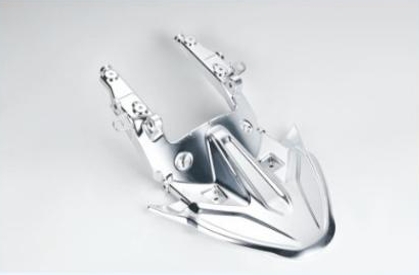
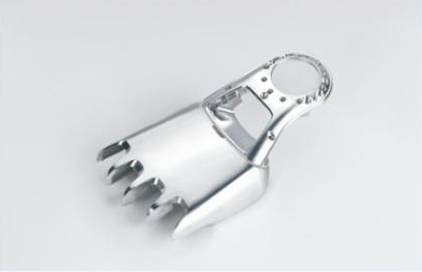
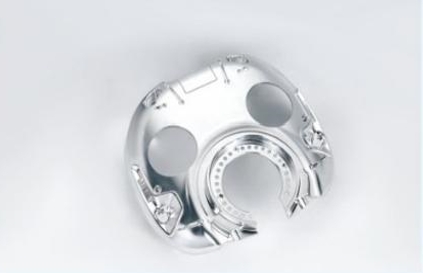
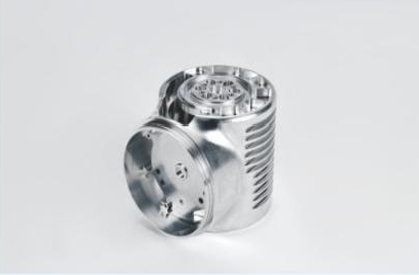
In terms of surface coating, to improve the wear resistance and fatigue resistance of connecting parts, special treatments such as coating and heat treatment are usually applied to the surfaces of the connection points. This reduces jamming caused by overheating or wear during the use of the parts. After heat treatment and coating treatment, the strength and toughness of the parts are greatly improved, thereby extending their service life.
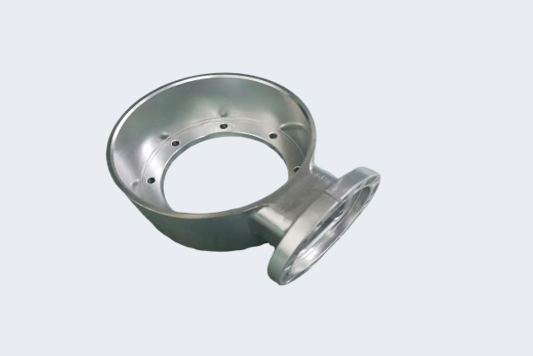
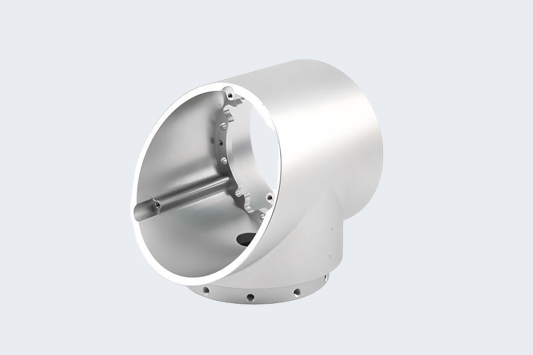
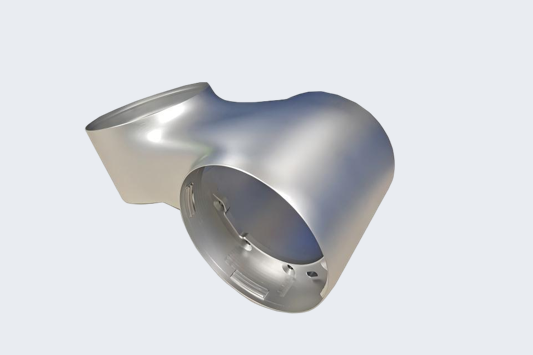
Casing Processing
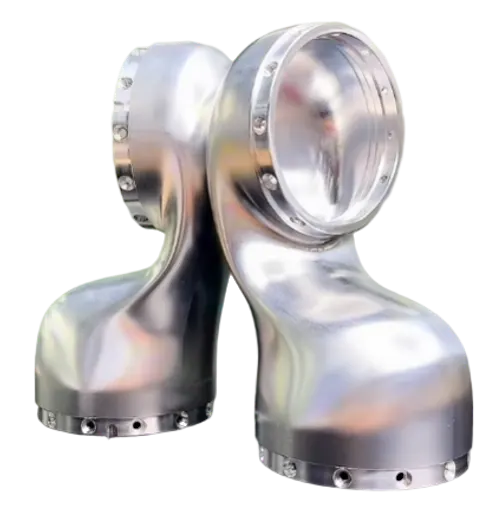
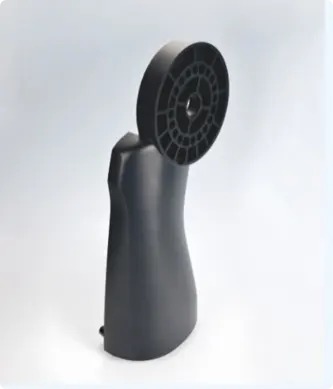
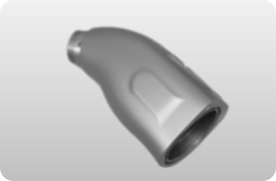
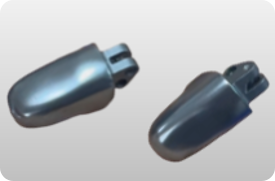
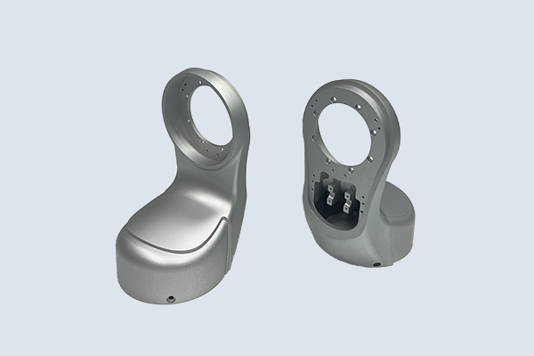
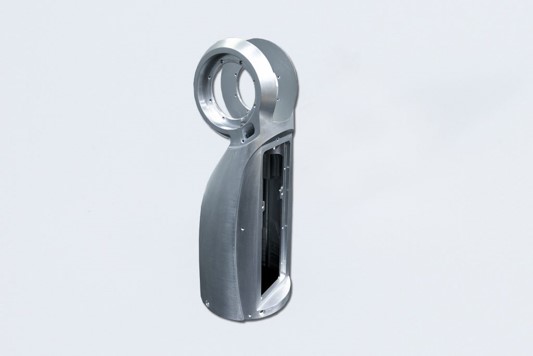
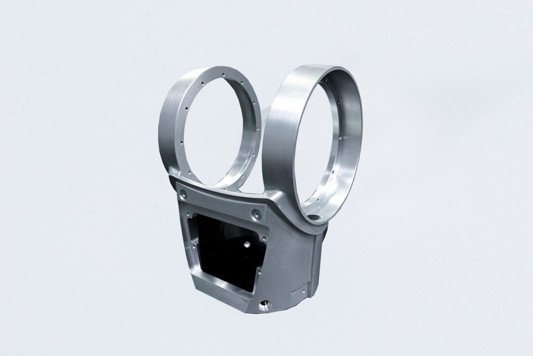
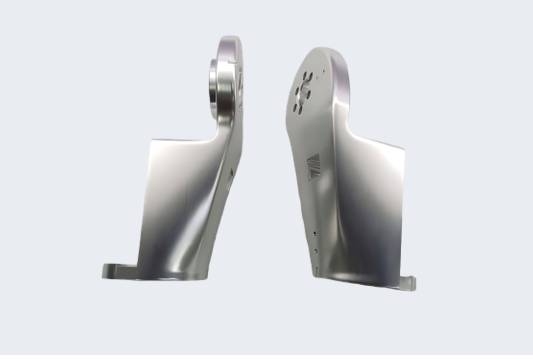
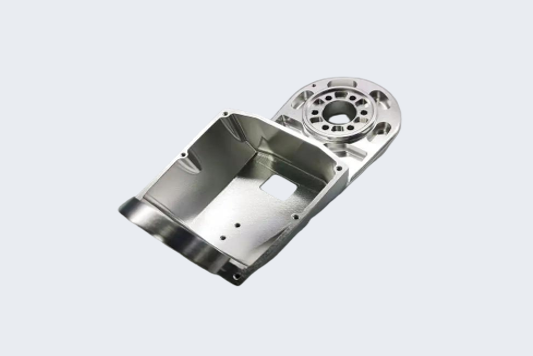
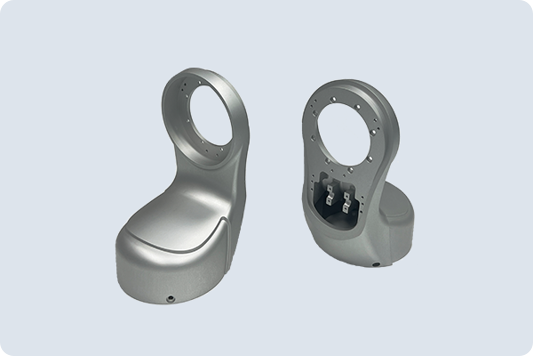
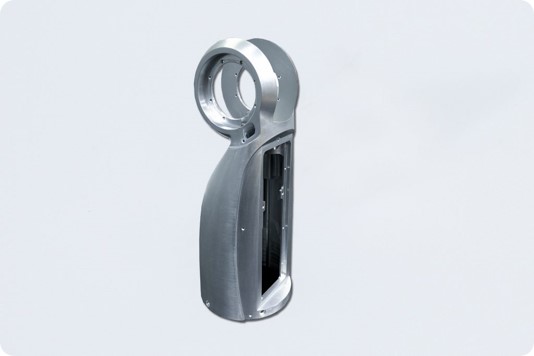
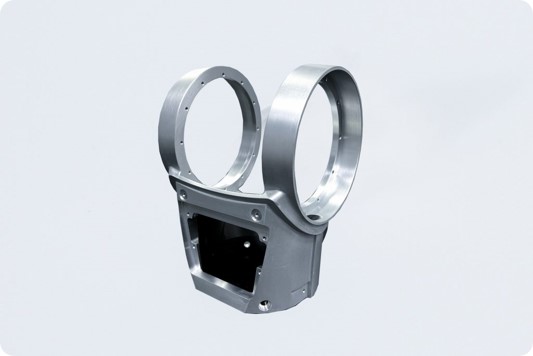
The robot casing not only needs an attractive appearance but also must provide good protection. Therefore, the casing must have a certain degree of strength and impact resistance to cope with collisions and friction during the robot’s use and prevent damage to internal parts. At the same time, the casing has the most complex parting surfaces among robot components, and the smoothness of the outer surface directly affects the effect of subsequent surface treatment. This places extremely high requirements on equipment and processing procedures.
Drive Series
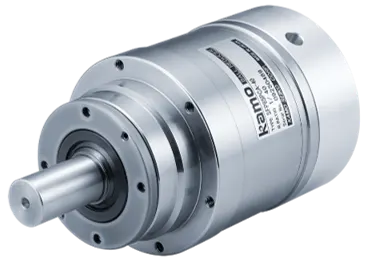
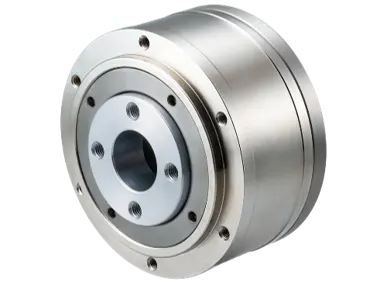
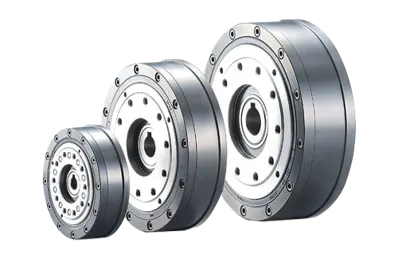
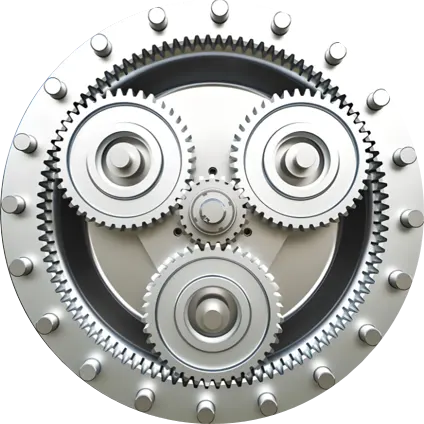
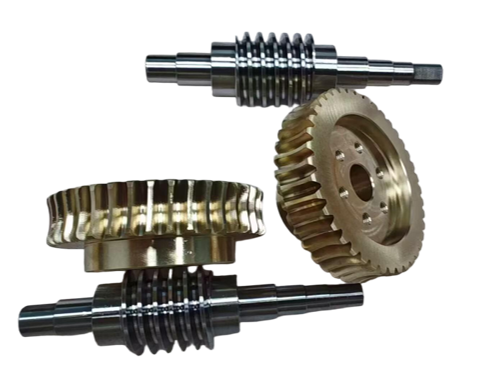
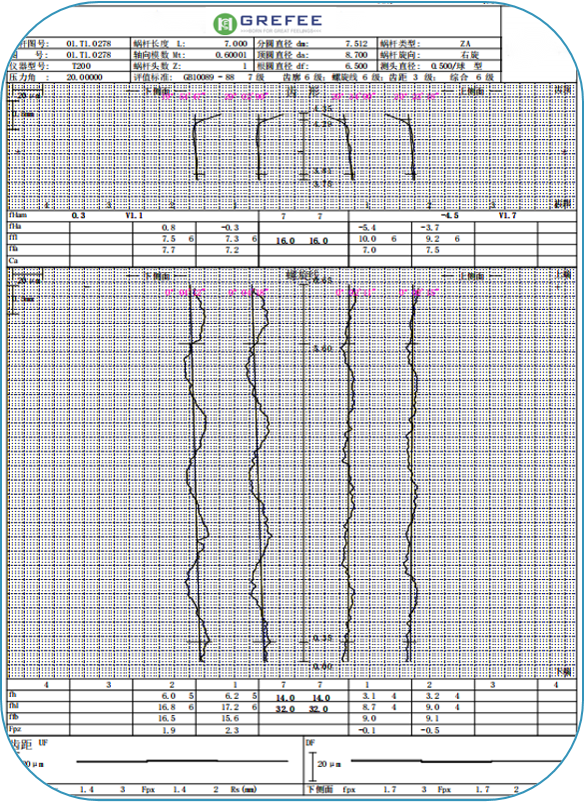
The drive structure is the power source for humanoid robots to achieve movement. It provides power support for the robot’s limb movement, autonomous movement, etc. Its performance directly determines the robot’s movement speed, precision, and stability. The drive structure of humanoid robots mainly includes drive motors, reducers, transmission mechanisms, and other components. GREFEE produces more than 100,000 precision gears for robots every year, such as spur gears, planetary gears, shaft gears, and worms, which are mainly part of drive motors, reducers, transmission mechanisms, and other components.
In recent years, with the rapid development of humanoid robots, GREFEE has provided more than 500,000 core gears of different types and specifications for major robot companies around the world. Therefore, to meet the power transmission needs of different drive scenarios of humanoid robots and match the diversified gear product matrix, GREFEE has achieved comprehensive coverage in the processing of robot parts.
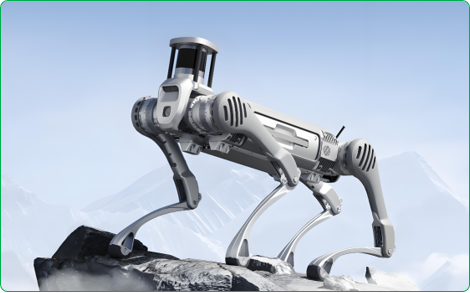
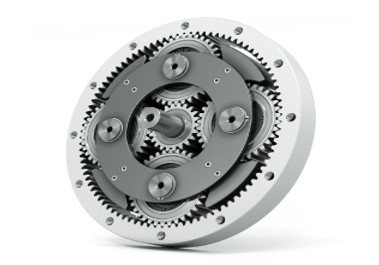
As one of the main mechanical elements, gears are mainly used as components of reducers inside the robotic arm of bionic robotic dogs. By using a reducer, the rotational speed of the servo motor can be reduced to increase the output torque. Through this design, it is possible for even a small motor to obtain a large torque.
In the design of bionic hands, gears are mainly used to achieve the drive and transmission of joints. Through different types and combinations of gears, the flexible movement and precise control of bionic hands can be realized. Parallel – axis gears are used for the drive of finger joints, intersecting – axis gears are used for the drive of wrist and elbow joints, and skew – axis gears are used to achieve more complex motion control, improving its practicality and flexibility.

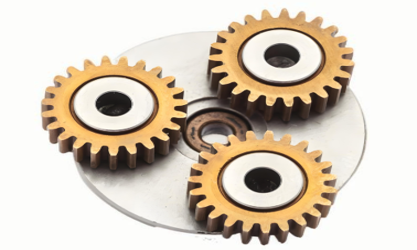

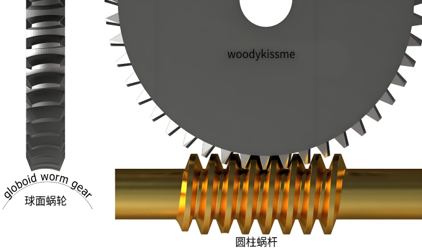
In bionic robots, the gear transmission mechanism can be used to drive the rotation and extension of joints, thus achieving actions such as walking and running. The advantages of the gear transmission mechanism include high transmission efficiency, simple structure, and high reliability. The application of worm gears in robots is mainly concentrated in joints, robot grippers that are easy to open and close, etc
HUMANOID ROBOT
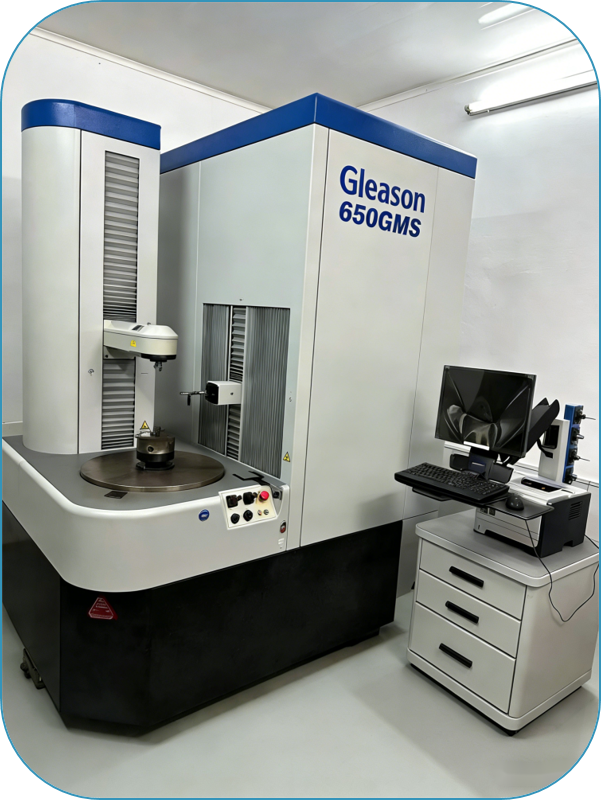
GREFEE has purchased 30 sets of new high-precision equipment, including Japanese Osaka gear meshing testers, Japanese Himeji CNC gear hobbing machines, American imported Merrett CNC gear hobbing machines and gear shapers, Tsugami Swiss-type lathes, 4-axis CNC machines, CNC lathes, and other supporting equipment. It is also equipped with testing equipment such as Edward gear measurement centers and coordinate measuring machines. Combined with a complete production process and quality control system, all gear parts produced by GREFEE can meet the ISO accuracy level of 5 to 8, ensuring the high precision and high quality requirements of each gear.
Packaging
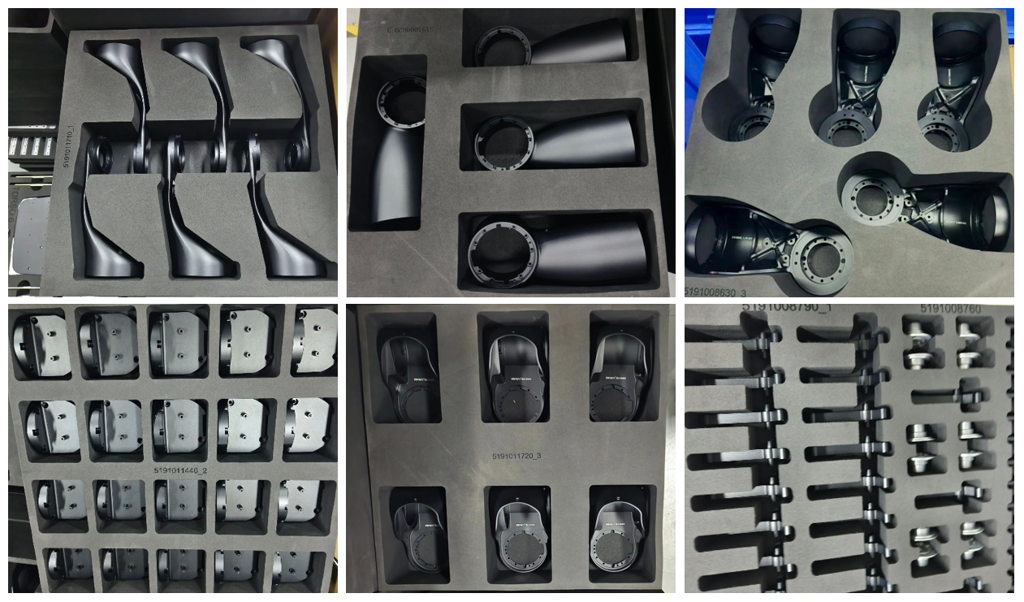
As the final line of defense for part transportation, GREFEE’s packaging design is not only a solid protection for precision quality but also an intuitive reflection of the brand’s craftsmanship. GREFEE equips each precision part with a custom-made EVA inner liner, combined with high-density buffer foam to efficiently absorb vibration and impact energy. Then, based on the weight, surface requirements, and specifications of the parts, CNC precision cutting is used to achieve a precise fit, avoiding friction with the part surface that may cause damage, and preventing displacement and collision during transportation. This ensures that the surface smoothness and dimensional accuracy of the parts remain intact, and the surface quality of the parts upon delivery is completely consistent with the factory state.
The neat and exclusive packaging design intuitively conveys GREFEE’s ultimate attention to details, allowing customers to perceive the precision and reliability of our entire process from manufacturing to delivery through the well-designed packaging.
Conclusion
As the core carrier of future technology, humanoid robots are moving from concept to implementation. Their development is inseparable from technological breakthroughs and quality assurance of core components. Relying on nearly a decade of in-depth accumulation in precision manufacturing experience, a full-process quality control system, and forward-looking technological layout, GREFEE has formed competitive advantages in core components such as dexterous hands, gears, and connecting parts.
In the future, GREFEE will continue to take technological innovation as the core and customer needs as the guide, continuously breaking through the bottlenecks of precision manufacturing, and providing high-quality and highly reliable component solutions for the development of the global humanoid robot industry, thereby realizing the future vision of robots serving all aspects of human life.