The global manufacturing industry is evolving toward more diverse service models. From large-scale manufacturers serving major corporations to digital manufacturing platforms catering to rapid prototyping and small-batch production needs, these various models are meeting the manufacturing requirements of different companies.
However, for the vast number of growing small and medium-sized enterprises (SMEs), there remains a significant gap in the market: they need more than just production capacity or a supplier-matching platform; they require a long-term manufacturing partner capable of participating in product development, integrating multiple manufacturing processes, and supporting the product’s journey from prototype to mass production.
Introduction
In the past, the manufacturing industry was primarily organized around regional specialization and production scale. Over the past few decades, globalization has shifted manufacturing capacity to Asia—particularly China—resulting in increasingly complex global supply chains. However, manufacturing demand is now becoming increasingly fragmented.
Choices and Challenges Facing Small and Medium-Sized Enterprises (SMEs) in Manufacturing Demand
As the global division of labor in manufacturing continues to deepen, the demand for manufacturing services is changing among enterprises of different sizes and at different stages of development.
For growing small and medium-sized enterprises (SMEs), manufacturing often proceeds in tandem with product development, market validation, and business growth.
Unlike large enterprises that have already entered a stable mass production phase, SMEs typically start with small batch sizes, and their products undergo continuous iteration; production volumes, structural designs, materials, and processes may all be subject to constant adjustments based on market demand.
Therefore, the manufacturing services they require must not only possess a certain level of production capacity but also be able to adapt to project uncertainties and provide timely engineering support throughout the product development process.
At the same time, these enterprises often lack the well-established procurement and supply chain teams found in large enterprises.
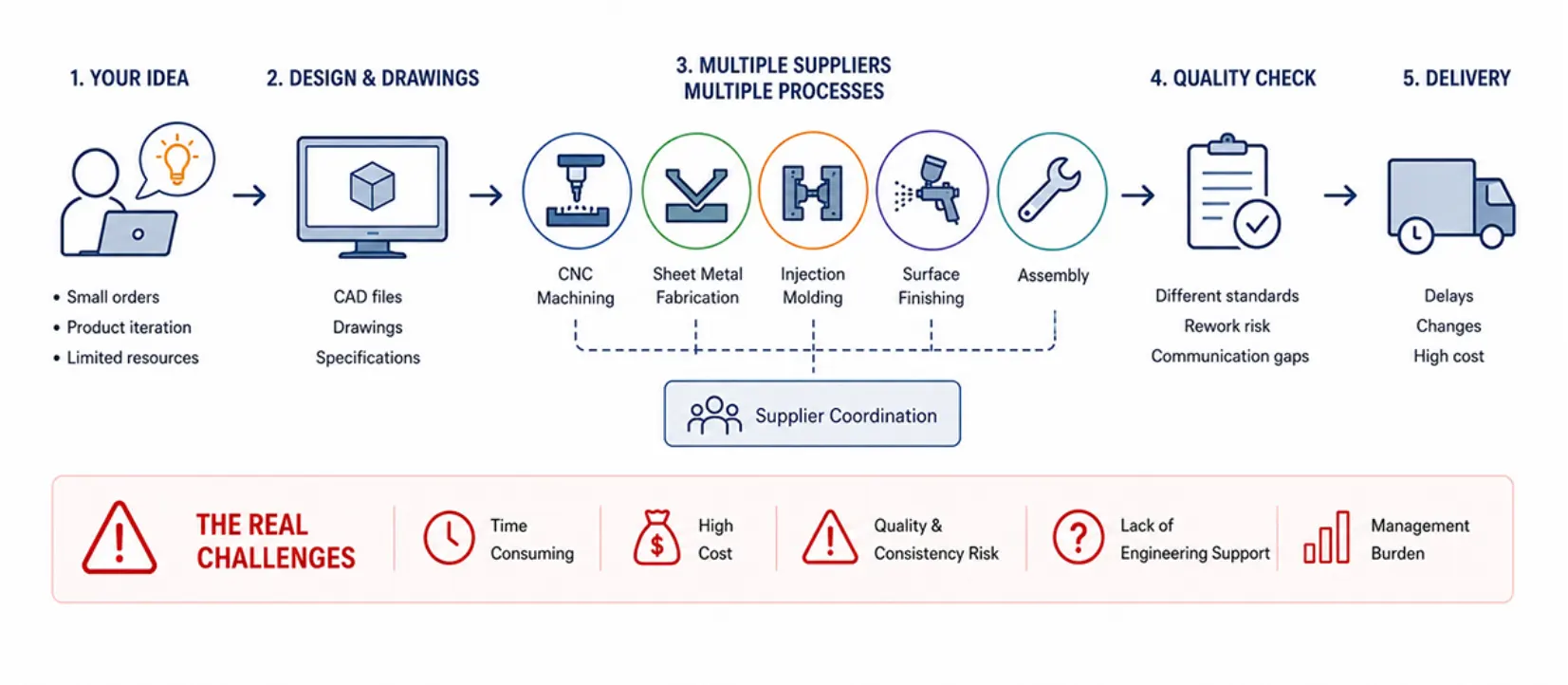
When a project involves multiple manufacturing stages—from supplier screening and technical communication to quality control, production coordination, and delivery management—it requires a significant investment of time and effort.
For these companies, the real challenge is not finding a factory capable of producing parts, but rather finding a partner that understands the product, possesses engineering capabilities, and can handle ongoing manufacturing management.
This also presents a practical challenge for growing companies when selecting a manufacturing supply chain:
Their order volumes are not yet large enough to attract the close attention of major manufacturers, yet the product complexity and manufacturing requirements have already exceeded what a single contract manufacturer can handle.
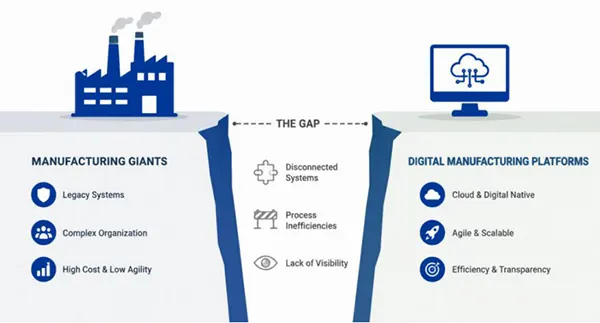
Gap Between Manufacturing Giants and Digital Manufacturing Platforms
Currently, the global manufacturing market has developed a variety of mature service models.
For large enterprises and mature products, major manufacturing service providers—such as Foxconn and Flex—possess large-scale production capabilities, established quality systems, and comprehensive supply chain resources, enabling them to support the long-term, high-volume production of complex products.
This model is built on a foundation of stable orders and mass production.
On the other hand, digital manufacturing platforms—such as Xometry and RapidDirect—provide businesses with more convenient prototyping, small-batch, and on-demand manufacturing services through online quoting, digital order management, and supplier networks.
This model lowers the barrier to finding manufacturing resources and enables businesses to access manufacturing services more quickly.
Each model addresses key challenges in the manufacturing industry:
- Large manufacturers focus on scale and stability;
- Digital manufacturing platforms focus on efficiency and accessibility.
However, as more and more companies move from product development to commercialization, manufacturing requirements are becoming increasingly complex.
They need flexible, small-batch production while also seeking in-depth engineering support;
their processes may involve multiple techniques—such as CNC machining, sheet metal fabrication, injection molding, stamping, die casting, tooling, surface treatment, and assembly—yet they also want to reduce the number of suppliers and lower project management costs;
At the same time, they need manufacturing partners who can continuously participate in product iterations and prepare for future mass production.
These needs differ from the large-scale manufacturing of major enterprises and go beyond simple prototyping or the procurement of standardized parts.
Consequently, a manufacturing service space that lies between “mass production” and “on-demand manufacturing” is gradually emerging.
Market Needs a New Approach to Manufacturing Collaboration
As a product moves from design to market, manufacturing requirements do not remain static at any single stage.
A company may start with a few prototypes, gradually move into small-batch trial production, and then transition to stable production as the market grows.
Throughout this process, designs are continuously optimized, manufacturing processes require constant adjustments, quality requirements gradually increase, and the supply chain must shift from ad-hoc procurement to a stable production system.
This means that companies need more than just a “production supplier”; they need a manufacturing partner capable of providing ongoing support as the product evolves.
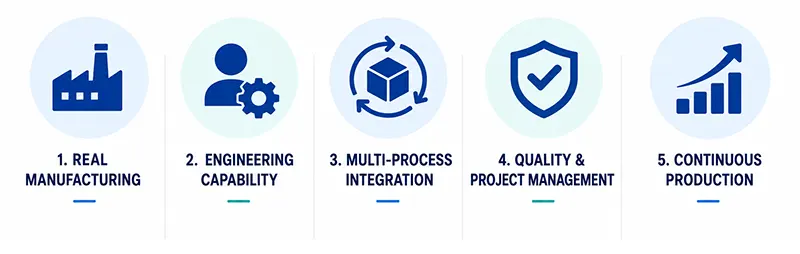
Such a partner must possess several core capabilities:
Actual Manufacturing Capabilities
The ability to organize and execute actual production, rather than merely matching customers with suppliers.
Engineering Capabilities
The ability to participate in product development starting with DFM, providing expert advice on materials, structure, tolerances, processes, and costs.
Multi-Process Integration Capabilities
Capable of coordinating various manufacturing processes—including CNC machining, sheet metal fabrication, injection molding, stamping, die casting, casting, tooling, surface treatment, and assembly—to reduce the complexity for customers in managing multiple suppliers.
Quality and Project Management Capabilities
Capable of establishing quality control processes covering incoming materials, production, inspection, and final delivery, while continuously managing project schedules and the supply chain.
Sustained Production Capabilities
Capable of supporting a product’s progression from prototyping and small-batch production to stable mass production, rather than having to find new suppliers at every stage of manufacturing.
This is not intended to replace large manufacturers or digital manufacturing platforms. Different manufacturing models each have their own applicable markets and customers.
However, for companies that are growing, continuously iterating, and facing ever-changing manufacturing needs, the market demands a more in-depth and continuous manufacturing service model—one that possesses actual manufacturing capabilities while also participating in engineering; one that can integrate multiple manufacturing processes and accompany products from prototyping through to mass production.
This is precisely the kind of manufacturing partner Grefee aspires to be.
Grefee: A New Kind of Manufacturing Partner
For growing companies, manufacturing challenges often evolve as products develop.
Companies need more than just a supplier who can fulfill orders; they need a manufacturing partner who understands their products, participates in the engineering process, organizes manufacturing, and provides ongoing support as the product grows.
This is exactly the role Grefee aspires to play.
Who Is Grefee?
Grefee is a manufacturing partner designed specifically for growing companies that need more than just production capacity.
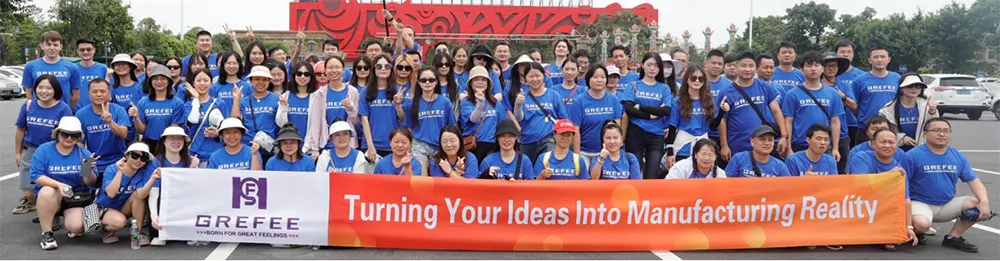
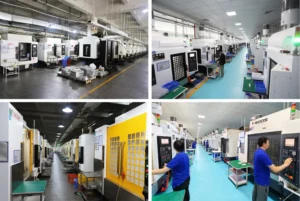
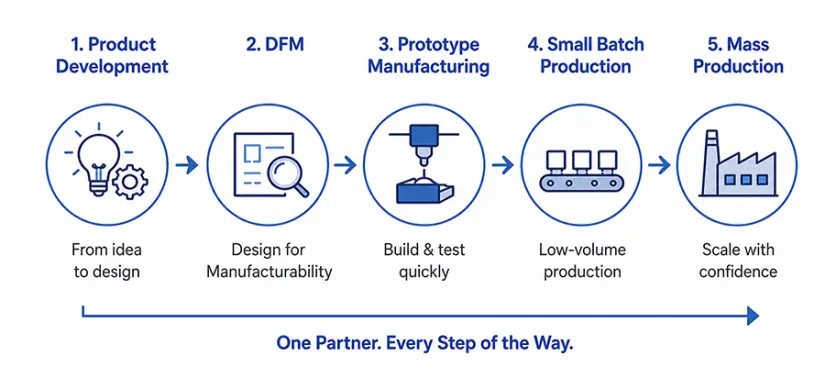
Grefee serves growing companies worldwide, providing continuous manufacturing support ranging from product development, DFM, prototyping, and small-batch production to large-scale mass production.
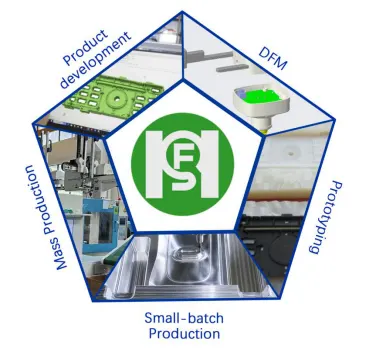
We do not view manufacturing as an isolated production order, but rather as a process that spans the entire product lifecycle.
From the very first design drawing, through product validation, to the start of stable mass production, Greife aims to remain actively involved throughout, helping our customers resolve the engineering, quality, cost, and delivery issues that continually arise during the manufacturing process.
Who is Grefee best suited for?
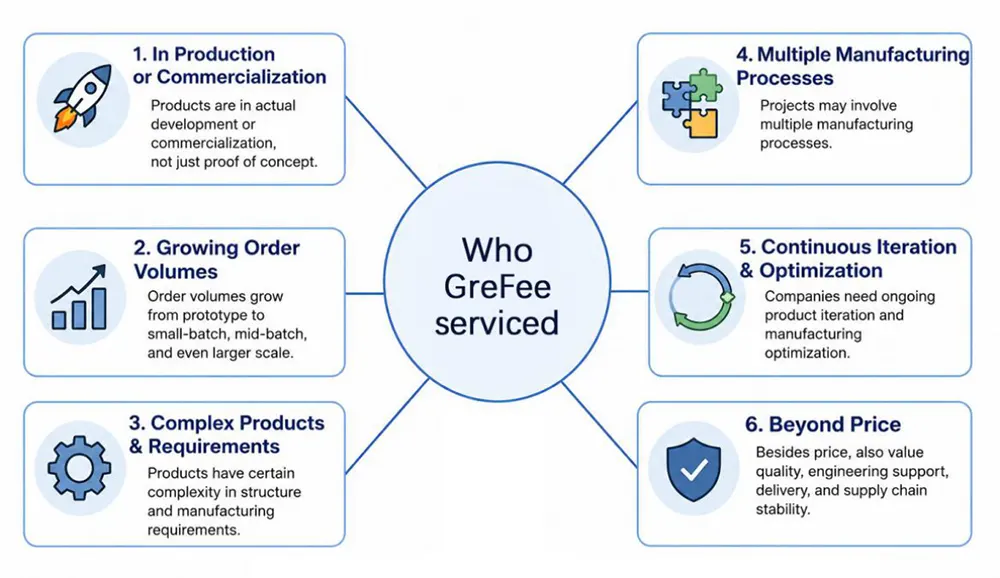
Grefee primarily serves companies that are transitioning from product development to commercialization and mass production.
These companies typically share several common characteristics:
- Their products have entered the actual development or commercialization phase, rather than remaining at the proof-of-concept stage;
- Order volumes have gradually increased from prototypes to small batches, medium batches, or even larger scales;
- Their products involve a certain level of complexity in terms of structure and manufacturing requirements;
- Projects may involve multiple manufacturing processes;
- The company needs to continuously iterate on its products and optimize manufacturing;
- In addition to price, the company values quality, engineering support, delivery, and supply chain stability.
For such companies, manufacturing needs are constantly evolving. Today, they may need dozens of prototypes; a few months later, they may require hundreds of units in small batches; and eventually, they may need stable production of thousands or even tens of thousands of units.
What Sets Grefee Apart?
Grefee isn’t simply seeking a compromise between traditional factories and digital manufacturing platforms.
Our goal is to combine four capabilities:
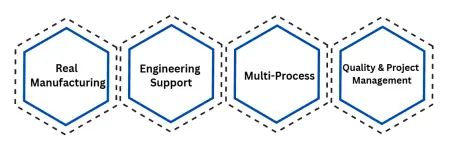
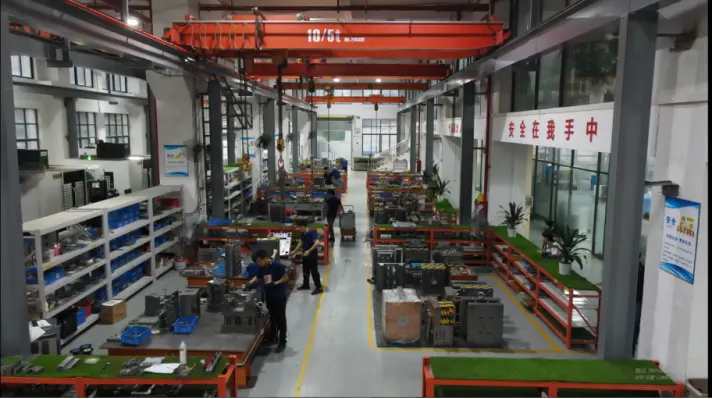
1 — Real Manufacturing
Real manufacturing capabilities, not just order connections.
2 — Engineering Support
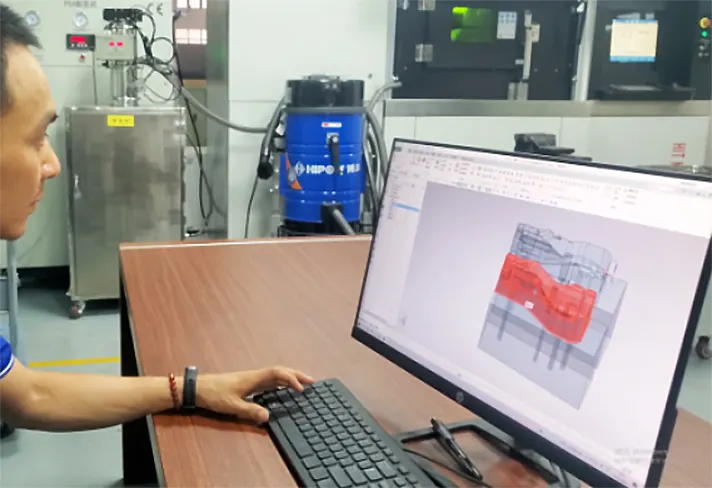
Engineers are involved in manufacturing, not just producing according to blueprints.
Manufacturing should begin from the product design phase.
The Greif engineering team can participate in Design for Manufacturing (DFM) and manufacturing feasibility analyses, identifying potential problems in areas such as materials, structure, tolerances, processes and production methods, and quality control.
3 — Multi-Process
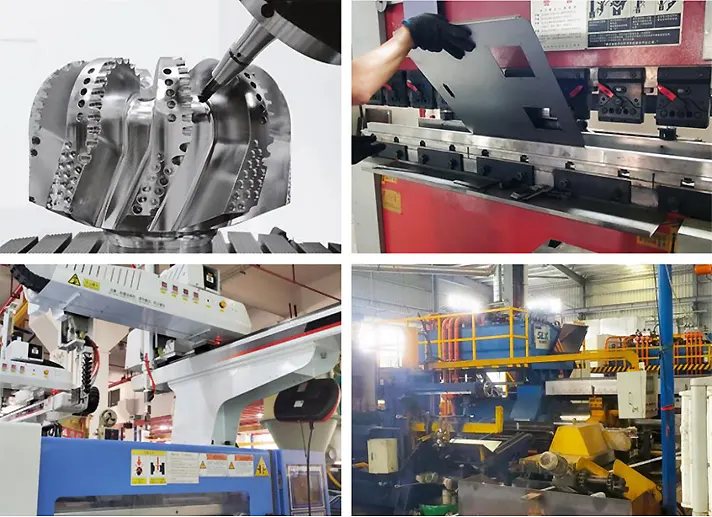
Multiple manufacturing process capabilities surrounding a product. Modern products often require more than one manufacturing process.
A project may simultaneously involve multiple stages such as CNC machining, sheet metal fabrication, injection molding, die casting, stamping, 3D printing, surface treatment, and assembly.
4 — Quality & Project Management
Quality is integrated into every stage of the manufacturing process. Grefee integrates engineering, quality control, and project management to ensure consistent quality, clear communication, and reliable delivery.
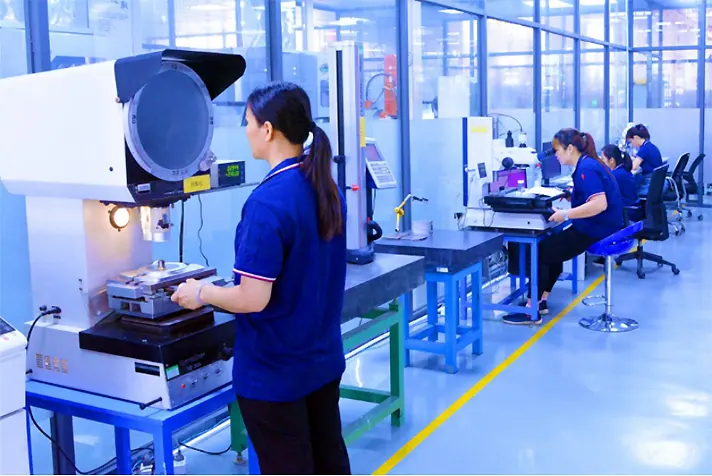
Customers deal with a single manufacturing partner: Grefee is responsible for understanding product requirements, conducting engineering analyses, organizing manufacturing resources, and coordinating technical and delivery requirements across different production stages.
Comparison of Three Types of Manufacturing Services
Different manufacturing service models are not simply a matter of “old replacing new”; rather, they each cater to different product stages, order sizes, and manufacturing complexities. Companies should select the appropriate manufacturing partnership model based on their specific needs.
Large manufacturers focus on mass production and possess established production lines, quality systems, and supply chains.
They are well-suited for large enterprises, mature products, and stable, high-volume orders.
However, their flexibility is relatively limited for small and medium-sized enterprises (SMEs) and projects in the development phase.
Digital manufacturing platforms—represented by companies such as Xometry and RapidDirect—connect manufacturing suppliers through digital systems to enable rapid matching, online quoting, and standardized order management.
They are well-suited for startups, R&D teams, and the production of prototypes and standardized small batches.
However, when projects involve multiple manufacturing processes, ongoing design optimization, or the transition to mass production, support for in-depth engineering collaboration is relatively limited.
Specialized manufacturing partners, on the other hand, are better suited for complex products, small-to-medium-volume runs, and products undergoing continuous iteration.
What customers need is not simply to “find a factory,” but a long-term partner capable of participating in DFM, process optimization, quality control, supply chain management, and mass production ramp-up.
None of these three models is inherently superior or inferior; in fact, each of the three manufacturing service models addresses a distinct set of manufacturing needs.
| Capability | Large Manufacturers | Digital Platforms | Traditional Factories | Grefee |
|---|---|---|---|---|
| Large-volume production | ★★★★★ | ★★★ | ★★★ | ★★★★ |
| Prototype | ★★ | ★★★★★ | ★★★ | ★★★★ |
| Engineering support | ★★★★ | ★★★ | ★★★ | ★★★★★ |
| Multi-process | ★★★★ | ★★★★ | ★★ | ★★★★★ |
| Project management | ★★★★ | ★★★★ | ★★ | ★★★★★ |
| Long-term product support | ★★★★ | ★★★ | ★★★ | ★★★★★ |
| Suitable for growing companies | ★★ | ★★★★ | ★★★ | ★★★★★ |
Table 1: Comparison of three modes
Traditional Manufacturers and Grefi: From “Production Facilities” to “Manufacturing Partners”
In addition to large manufacturers and digital manufacturing platforms, there are still a large number of traditional manufacturing enterprises in the global market, such as CNC machining shops, sheet metal shops, injection molding shops, stamping shops, and foundries.
They typically have years of deep expertise in a specific manufacturing process, with mature equipment, skilled workers, and a stable customer base.
They hold strong cost and delivery advantages for projects involving simple processes, mature products, and consistent order volumes.
However, as products continue to evolve and small and medium-sized enterprises (SMEs) demand increasingly higher standards for manufacturing services, the limitations of traditional single-process manufacturers are gradually becoming apparent:
- Single-process specialization: When complex projects involve multiple stages—such as CNC machining, sheet metal fabrication, injection molding, tooling, surface treatment, and assembly—customers must manage multiple suppliers on their own.
- Limited engineering collaboration: They are better suited to producing according to drawings but are less involved in DFM, process optimization, new product development, and cross-process integration.
- Narrow scope of services: They typically focus on “producing the parts,” whereas modern customers need manufacturers to participate from the early stages of product development to help control costs, resolve engineering issues, and facilitate the transition to mass production.
The difference between Greife and traditional manufacturers lies not merely in equipment or factory size, but in the scope of their manufacturing services.
Traditional manufacturers act more as specialized “production executors,” whereas Greife aims to be a long-term “manufacturing partner” for its customers.
Building on its core manufacturing facilities, Greife integrates diverse manufacturing processes, engineering, quality assurance, and project management capabilities to connect product development, prototyping, tooling, multi-process production, and mass production delivery, providing customers with manufacturing services that span the entire product lifecycle.
| Comparison | Traditional Manufacturer | Grefee Manufacturing Partner |
|---|---|---|
| Core role | Production specialist | Long-term manufacturing partner |
| Manufacturing capabilities | Typically focuses on one or a few processes | Integrates CNC machining, sheet metal fabrication, injection molding, stamping, die casting, tooling, surface finishing, and assembly |
| Engineering support | Primarily manufactures to customer drawings | Gets involved at the DFM stage and advises on materials, processes, tolerances, and cost |
| Supply chain management | Customers typically coordinate multiple suppliers themselves | Coordinates manufacturing across processes and manages the supply chain |
| Project management | Focuses on individual production orders | Manages projects continuously from product development and prototyping through production |
| Quality management | Focuses mainly on final product inspection | Builds quality control into material selection, process planning, production, inspection, and delivery |
| Product lifecycle | Usually handles production at one stage | Supports DFM → Prototype → Low Volume → Tooling → Production → Scaling |
| Best suited for | Projects with established processes, stable products, and clearly defined orders | Growing companies with evolving products, complex manufacturing needs, and an interest in long-term collaboration |
| Partnership approach | Make the Part | Build the Product Together |
Table 2: Key Differences Between Traditional Manufacturers and Greif
Made in China + Global Services
The global manufacturing industry is undergoing a process of reconnection. Globalization over the past few decades has led to the gradual formation of a cross-regional division of labor in manufacturing capabilities.
In this process, China has established a comprehensive and vast manufacturing industrial system, forming a complete industrial chain that spans raw materials, components, molds, processing and manufacturing, all the way to surface treatment, assembly, and logistics.
Based in China, Grefee is built precisely upon this manufacturing ecosystem.
We fully understand that the advantages of “Made in China” extend far beyond cost.
After decades of development, China has developed a highly comprehensive industrial chain, a wealth of manufacturing processes, a vast supplier network, and a large pool of engineering and technical talent with practical experience.
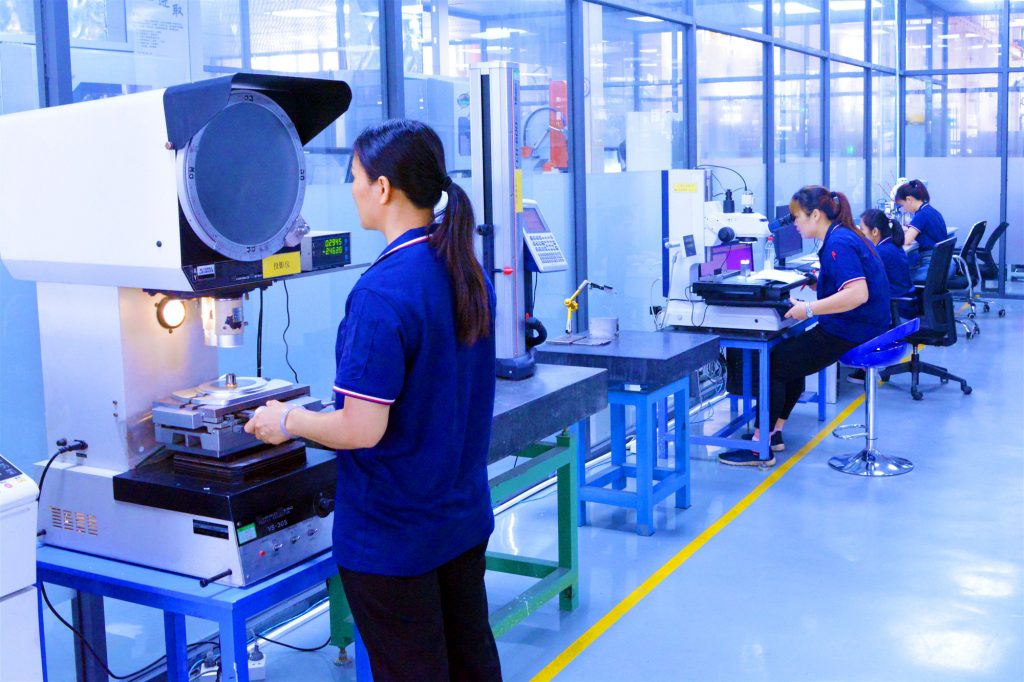
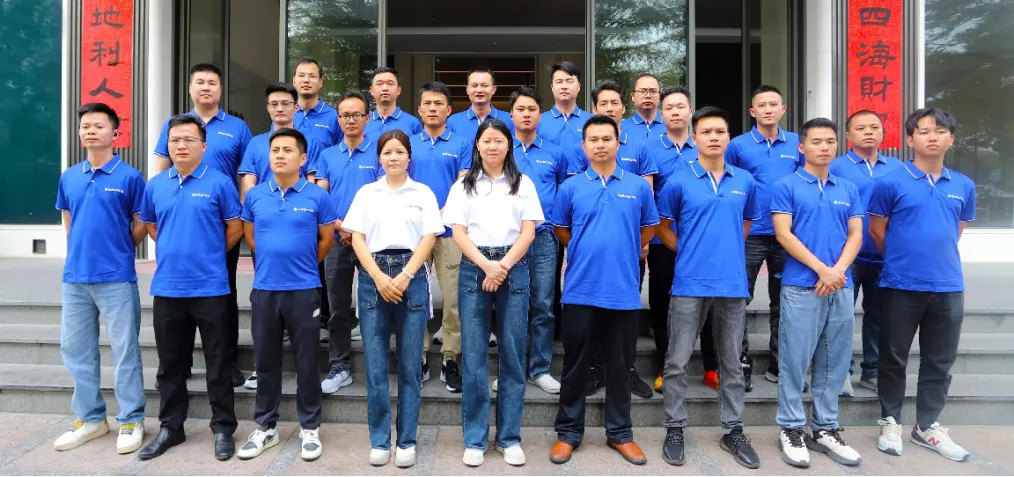
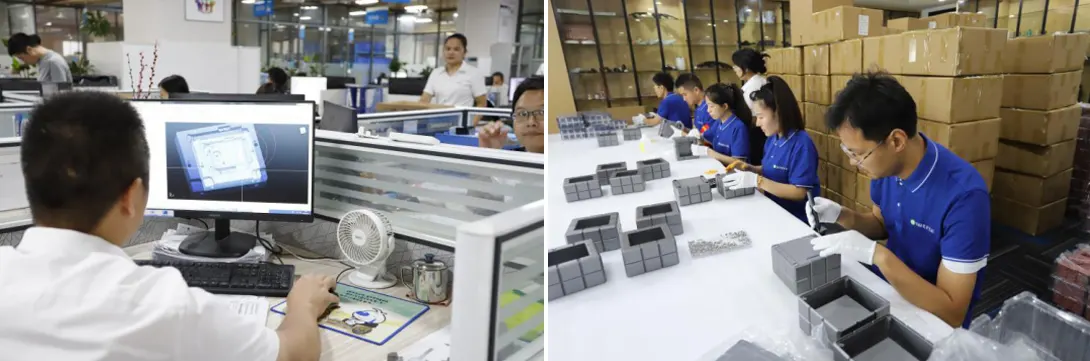
Grefee has assembled a technical and quality team totaling over 400 people, including more than 200 manufacturing engineers and more than 200 full-time quality inspectors.
We strictly implement European and American quality systems such as APQP, PPAP, FMEA, and MSA to ensure full traceability across materials, processes, and inspections.
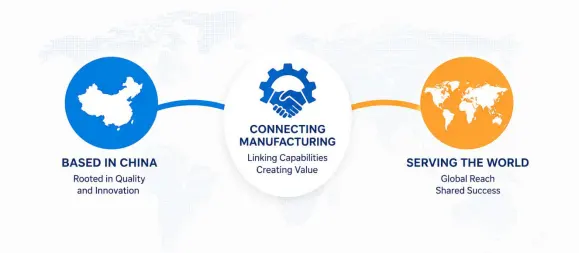
Based in China, Serving the World
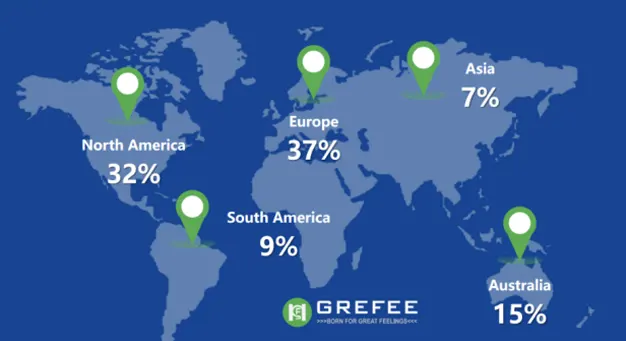
Grefee is based in China, but our client base is not limited to China.
We primarily serve small and medium-sized enterprises (SMEs) worldwide, adopting international manufacturing standards, project management methods, and communication practices.
We understand the requirements of clients from different countries regarding quality, delivery, technical documentation, intellectual property, and supply chain management.
We aim to reduce the communication barriers between our global clients and Chinese manufacturing.
Clients do not need to have an in-depth understanding of China’s complex manufacturing supplier ecosystem, nor do they need to spend significant time searching for different factories, comparing manufacturing processes, or coordinating the supply chain.
Parts of Case
Selected Manufacturing Case Studies Links (Direct access to graphic details):
- Mass Production Case of Precision Structural Parts for Humanoid Robot Joints / Dexterous Hands: https://www.grefeemold.com/humanoid-robot/
- Automotive Steering Shaft: https://www.grefeemold.com/automotive-steering-shaft/
- Case of Whirlpool Washing Machine Tubs: https://www.grefeemold.com/whirlpool-case/
Why Choose Grefee
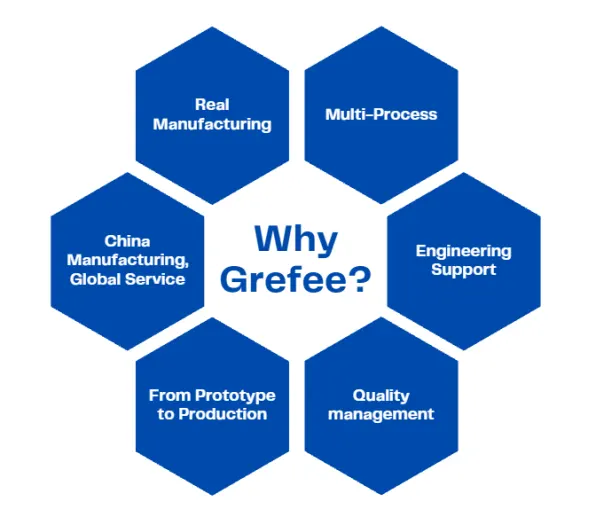
Grefee: Our strength lies not in a single manufacturing process, but in our ability to complete the entire production cycle.
Real Manufacturing
Based on our own core manufacturing facilities, we possess genuine production capabilities—not just a network of suppliers.
Multi-Process Integration
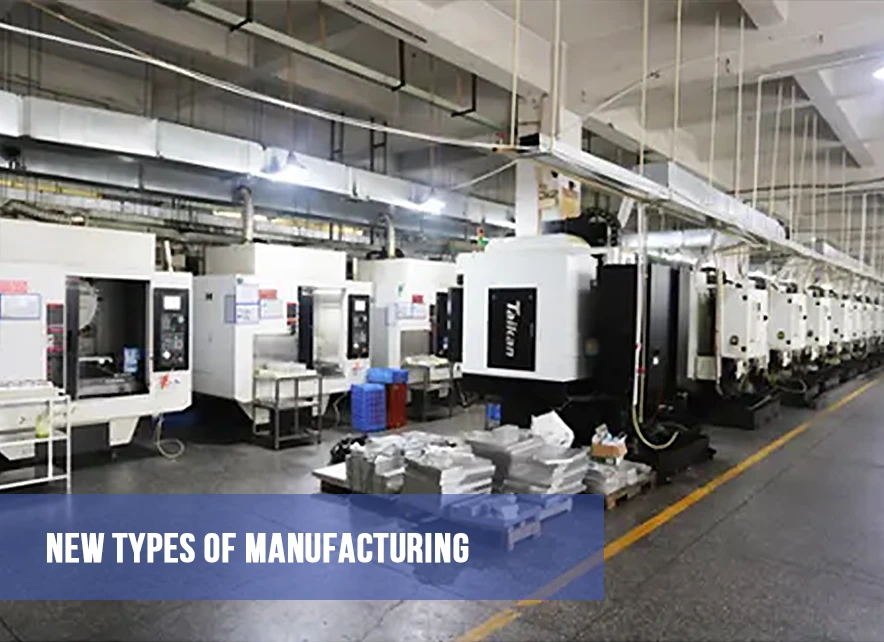
Our core process facilities include manufacturing capabilities such as CNC machining, sheet metal fabrication, injection molding, die-casting and casting, stamping, tooling, and surface treatment, simplifying supply chain management for our customers.
Engineering Support
We engage in projects starting from the DFM stage, providing engineering support including process selection, material selection, tolerance management, and cost optimization.
Quality Management Philosophy
We strictly adhere to quality management systems such as ISO, IATF, and AS, rigorously implementing APQP and PPAP to ensure scientific quality management for every product detail.
From Prototype to Production
We cover the entire spectrum from DFM, prototyping, and small-batch production to mass production, providing continuous manufacturing support as products evolve.
China Manufacturing, Global Service
Rooted in Chinese manufacturing, we serve global customers, connecting them with Chinese manufacturing through international communication, quality standards, and project management practices.
Grefee is more than a manufacturer. We are your manufacturing partner in China.
AI + Manufacturing: Toward Smarter Manufacturing
Artificial intelligence is transforming the manufacturing industry, but for manufacturing companies, the value of AI lies not in replacing factories and engineers, but in making existing manufacturing capabilities more efficient, transparent, and intelligent.
Grefee believes that the next-generation manufacturing platform will combine real-world manufacturing capabilities with digital intelligence.
In the future, we will gradually explore the application of AI in manufacturing processes, including:
DFM Analysis: Assisting in the identification of potential design and manufacturing risks;
Process Recommendation: Recommending more suitable manufacturing processes based on product, material, and quantity;
Supplier Matching: Improving resource matching efficiency by considering manufacturing capabilities, quality, and delivery requirements;
Quality Analysis: Utilizing production and inspection data to support quality analysis and anomaly detection;
Supply Chain Visibility: Enhancing transparency regarding production progress, quality, and supply chain status.
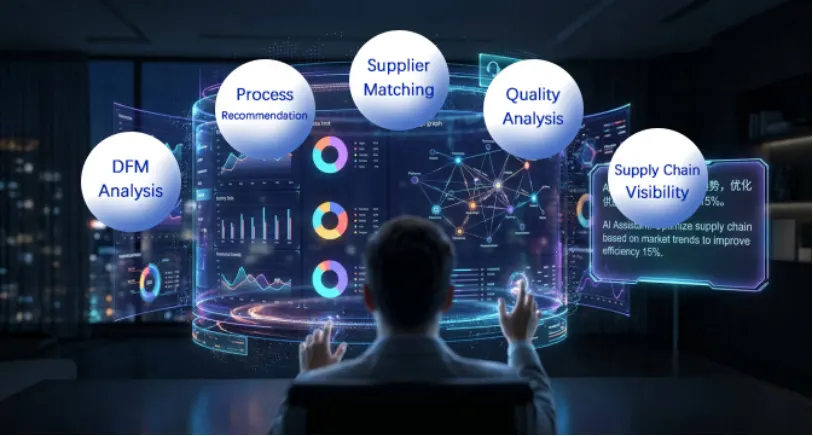
However, AI is ultimately just a tool. What truly determines whether a product can be successfully manufactured are still the engineers, equipment, processes, quality systems, and manufacturing expertise.
Therefore, Grefee’s goal is not to become an AI company, but to use AI to further enhance our manufacturing capabilities.
Real Manufacturing + Engineering + AI—this will become the cornerstone of Grefee’s future manufacturing services, making it easier for global enterprises to access professional, efficient, and reliable Chinese manufacturing capabilities.
GREFEE’s Global Manufacturing Vision
GREFEE’s vision—ensuring customer success—is at the core of our philosophy. Through collaboration with GREFEE, our customers’ products gain a competitive edge.
We aim to establish a global manufacturing service system through our core manufacturing capabilities, engineering expertise, and scientific digital technologies, helping customers enhance their product competitiveness and receive continuous, professional manufacturing support from product development through mass production.
Our goal is not merely to manufacture products for global customers, but to become a trusted, long-term manufacturing partner for small and medium-sized enterprises worldwide.
Based in China, serving the world; connecting manufacturing, creating value.
Let GREFEE Manufacturing better serve the world.
Contact Us
Whether you’re developing a new product or looking for a more reliable manufacturing partner, feel free to send your 3D drawings, 2D engineering drawings, specifications, or project requirements to Grefee.
Our engineering team will evaluate manufacturing feasibility based on product structure, materials, quantity, precision, and delivery requirements, and recommend suitable processes and production solutions for you.
Let’s start the manufacturing process with an engineering discussion!
01|Submit Your Project
Send us your drawings, specifications, or project requirements.
02|Engineering Team Evaluation
We analyze DFM, materials, processes, tolerances, and production requirements.
03|Receive a Manufacturing Proposal
We determine the appropriate manufacturing processes, production methods, and quality requirements.
04|From Prototyping to Mass Production
We provide ongoing manufacturing support—from prototyping and small-batch production to mass production—as your product evolves.