Automotive Steering Shaft

Posted on : November 29th, 2025,By GREFEE
Author: Leonard Position: Manufacturing Lead
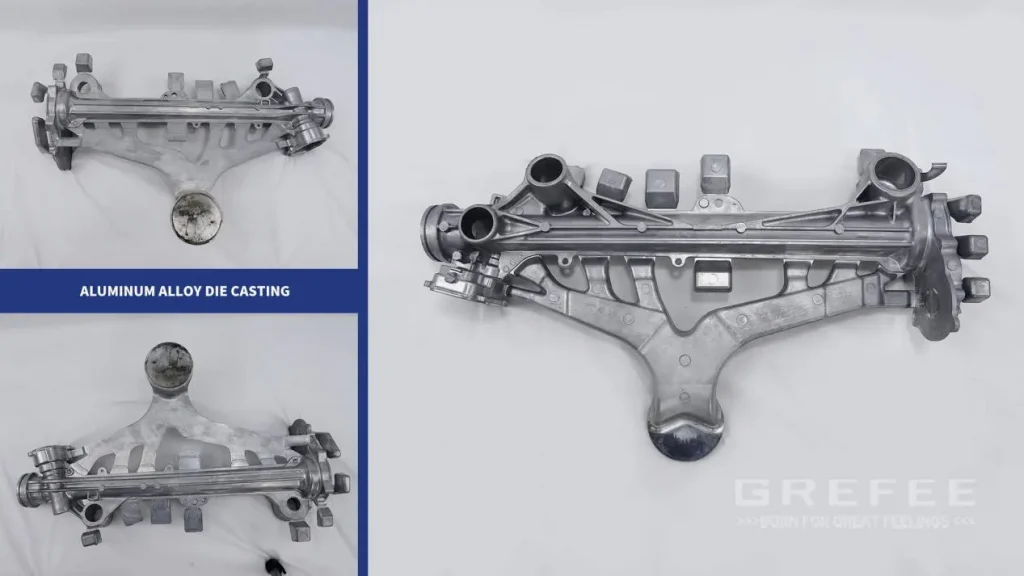
In the field of die-casting products, automotive parts occupy a crucial position in GREFEE’s business layout, accounting for approximately 30%. This proportion not only reflects the company’s in-depth efforts in the automotive parts manufacturing sector but also demonstrates the demand for high-pressure die-casting products in the automotive industry and GREFEE’s ability to adapt to the market. GREFEE aims to become a leading global supplier of automotive parts. Over nearly 20 years of die-casting production, we have collaborated with automotive companies in more than 30 countries worldwide, such as Bosch, MOPAR, BYD, Volkswagen, General Motors, Aston Martin, Ferrari, Chrysler, and Land Rover.
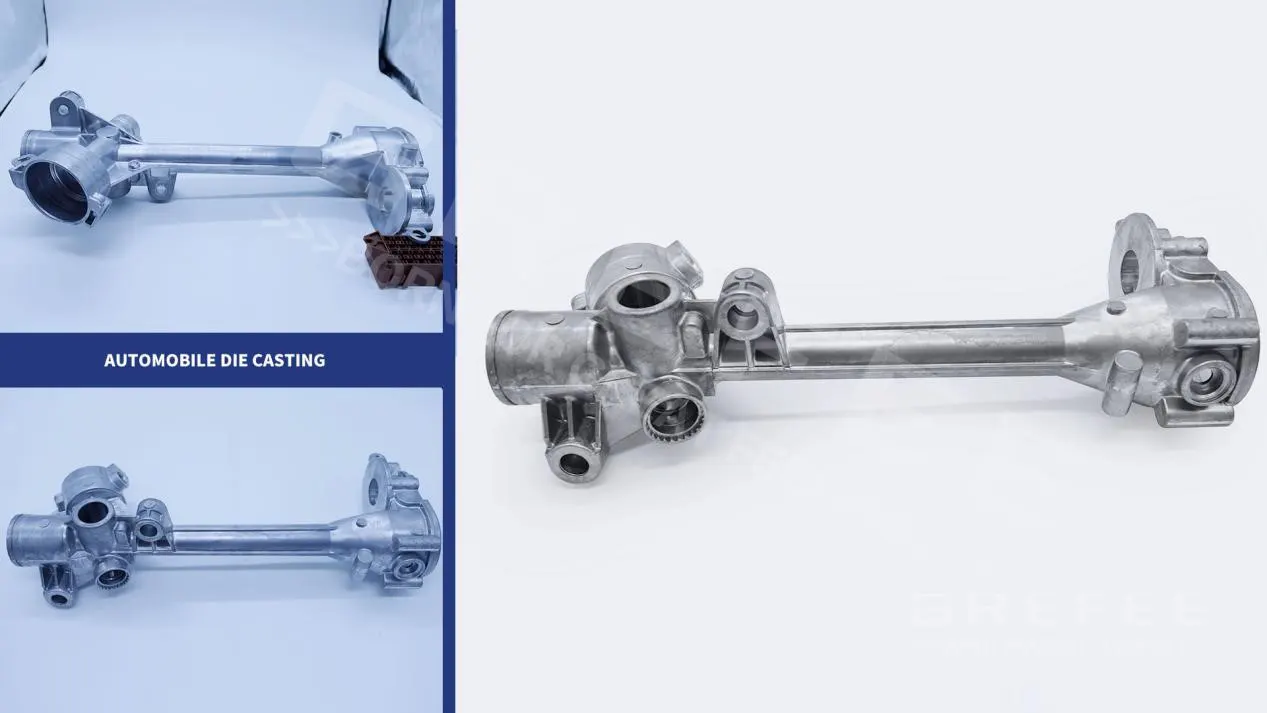
Among these, automotive steering shaft molds are one of the core products, and GREFEE has always maintained a stable and efficient production rhythm. The number of automotive steering shaft molds manufactured and delivered each year remains above 150 sets. The steering shafts produced by GREFEE vary in specifications, dimensional precision, and structural complexity, covering the adaptation needs of various vehicle types, from compact cars and mid-sized passenger cars to SUVs, commercial vehicles, trucks, and heavy-duty engineering vehicles. They can accurately meet the technical standards and assembly requirements of different automotive manufacturers, providing reliable core component support for the steering systems of various vehicles.
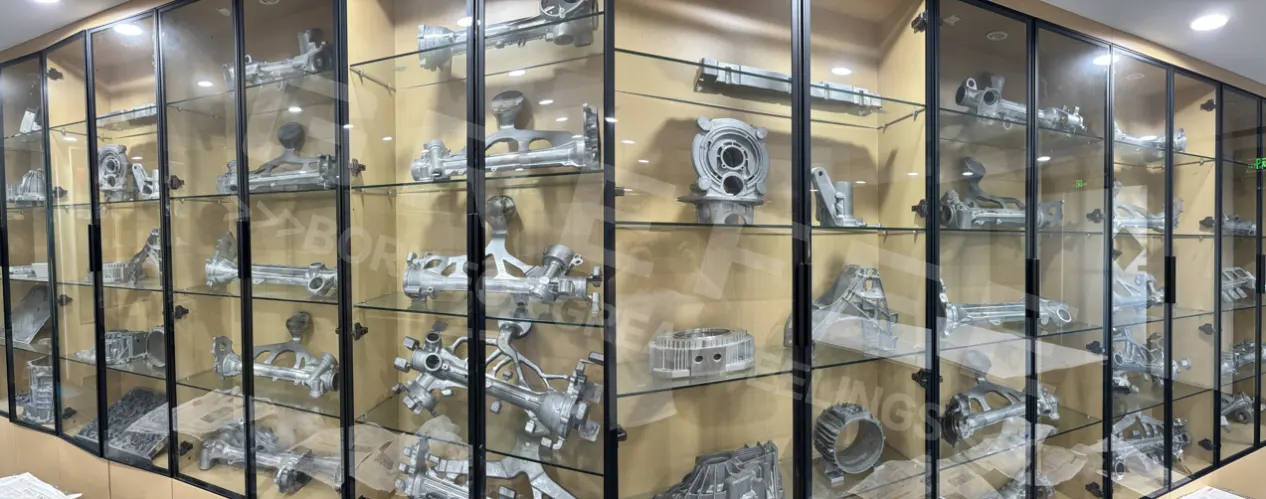
These customers are renowned in the industry for their strict technical requirements and high-end standards, and GREFEE has maintained stable cooperative relationships with them for more than a decade. This long-term in-depth cooperation not only fully confirms the outstanding reliability and strong technical strength of GREFEE’s products but also highlights the company’s diversified core competitiveness, including an international team, an experienced engineering team, a mature system, a professional and efficient manufacturing team, and strict testing procedures. These core advantages complement each other, supporting long-term strategic cooperation with top-tier customers and enabling GREFEE to maintain a leading position in the field of high-pressure die-cast automotive parts.
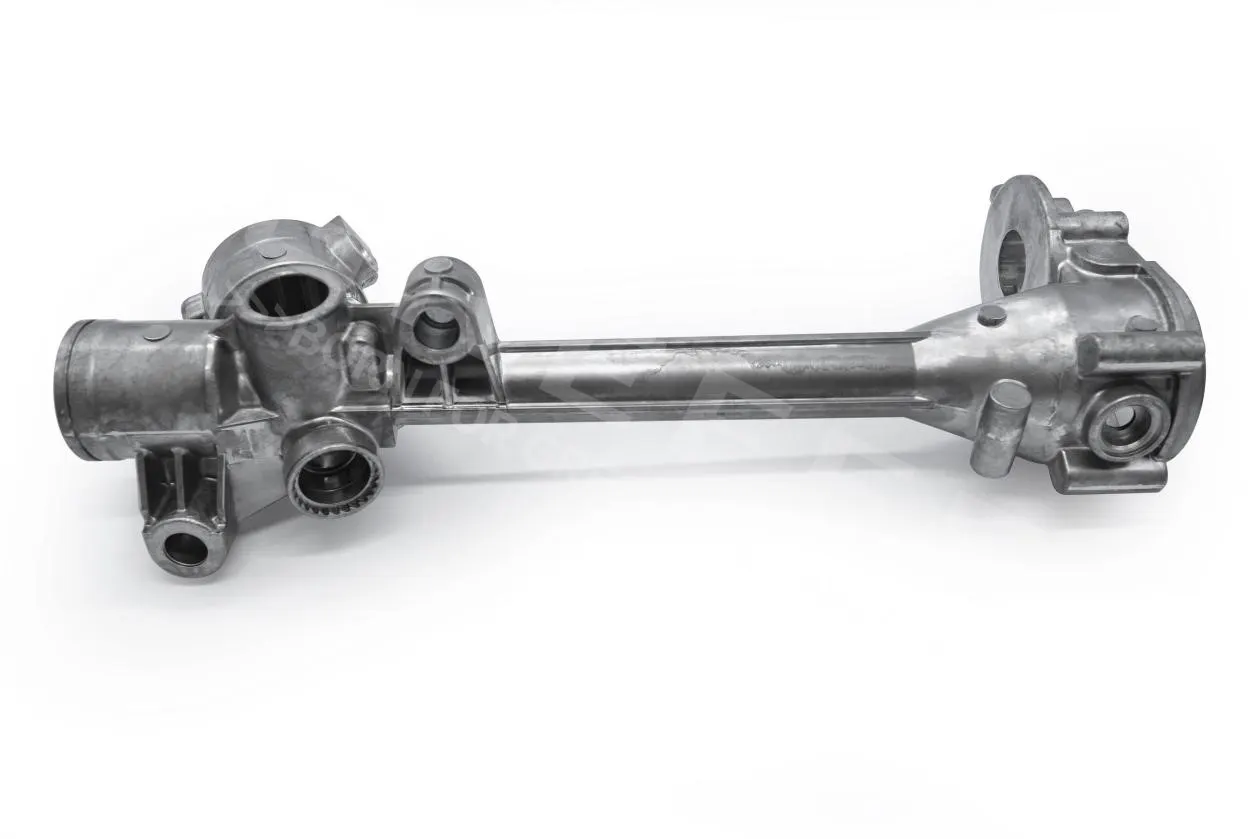
Processing Method 1: Prototype Manufacturing
Automotive steering shafts mainly adopt two processes: CNC machining and die-casting, with the specific selection based on customer needs. Taking Mopar as an example, its required steering shafts are mainly for modification scenarios, with small order quantities. Therefore, we mainly use the 5-axis CNC machining process for production. Relying on mature production and testing processes, GREFEE can control the delivery cycle of such steering shafts to within 2 days at the fastest. This efficient delivery capability is one of the core advantages that enable us to maintain a stable cooperative relationship with Mopar for a long time.
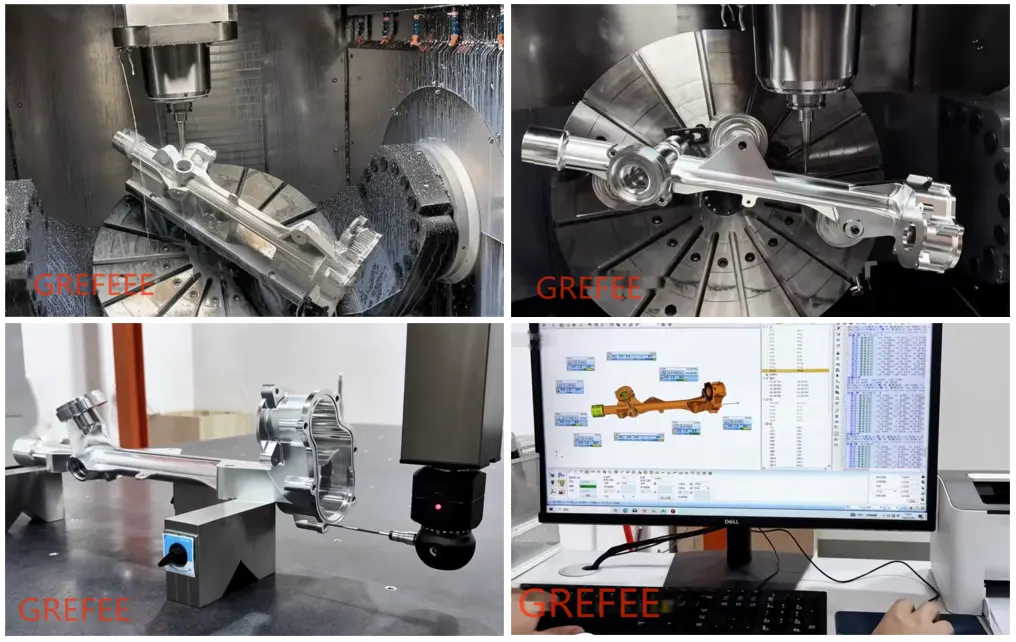
Processing Method 2: Mass Production
For professional automotive groups like Bosch, we usually combine CNC machining with customized die-casting molds. CNC machining is mainly used for the research, development, testing, and verification of new steering shafts. For instance, if specific parts of a steering shaft require a particular structure or have critical requirements for tolerances and surface finish, to ensure processability after die-casting, we adjust the machine tool, cutting tools, and programs during the prototyping stage to lay the foundation for subsequent mass production.
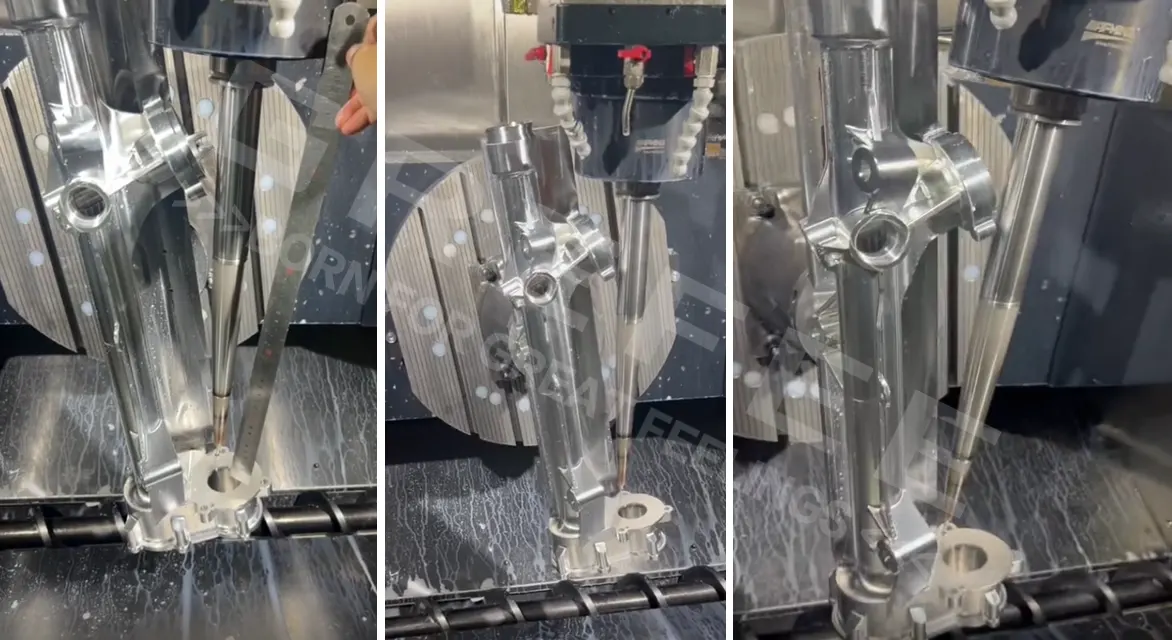
Only when the structure and function of the new steering shaft meet the design requirements will mold manufacturing begin. At the start of each new steering shaft project, GREFEE and Bosch conduct comprehensive meetings for discussion. For example, during the cooperation phase with Bosch, when CNC machining is performed on each new test sample, GREFEE reserves a piece of material with the same size as the finished product. This allows for a quick response if adjustments to the previous batch of products are needed, enabling the production of the latest batch and ensuring that the products reach the customer quickly for new tests, thereby facilitating the smooth progress of the customer’s new projects.
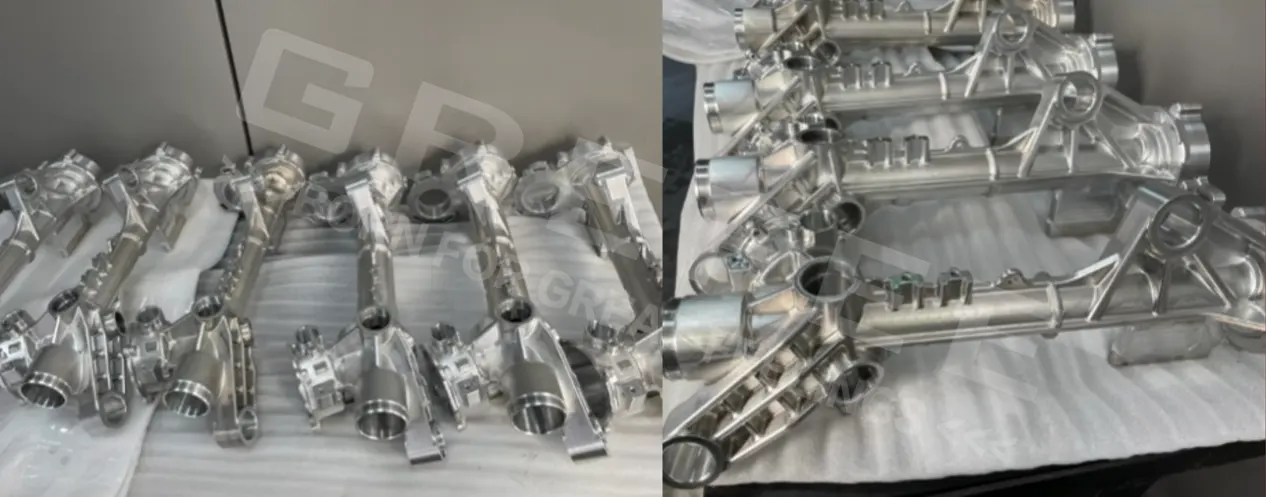
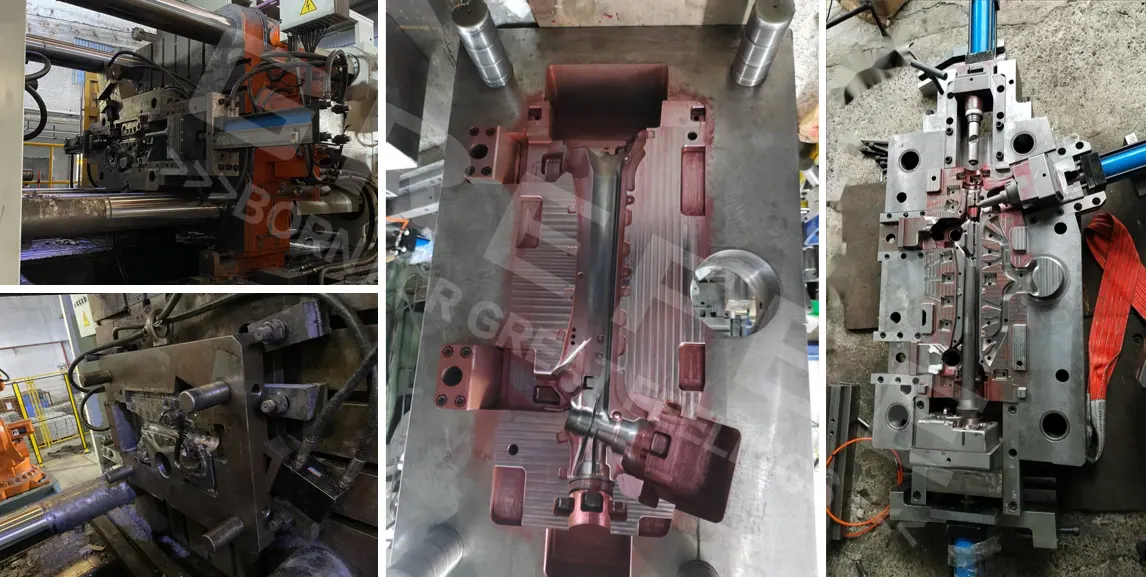
In the automotive steering shaft production system, mold manufacturing is a core link connecting design and mass production. Relying on mature processes and strict standards, mold quality and delivery efficiency are the core factors enabling GREFEE to produce 150 sets of molds annually. Meanwhile, GREFEE leverages its senior design team to carry out manufacturing based on DFM (Design for Manufacturability) analysis results and mold flow analysis data, avoiding design deviations. During the manufacturing process, all links are closely connected, and pre-trial meetings and full-process recording of mold trials are conducted to lay a solid foundation for subsequent mold trials and mass production.
Advantage 1: International Team
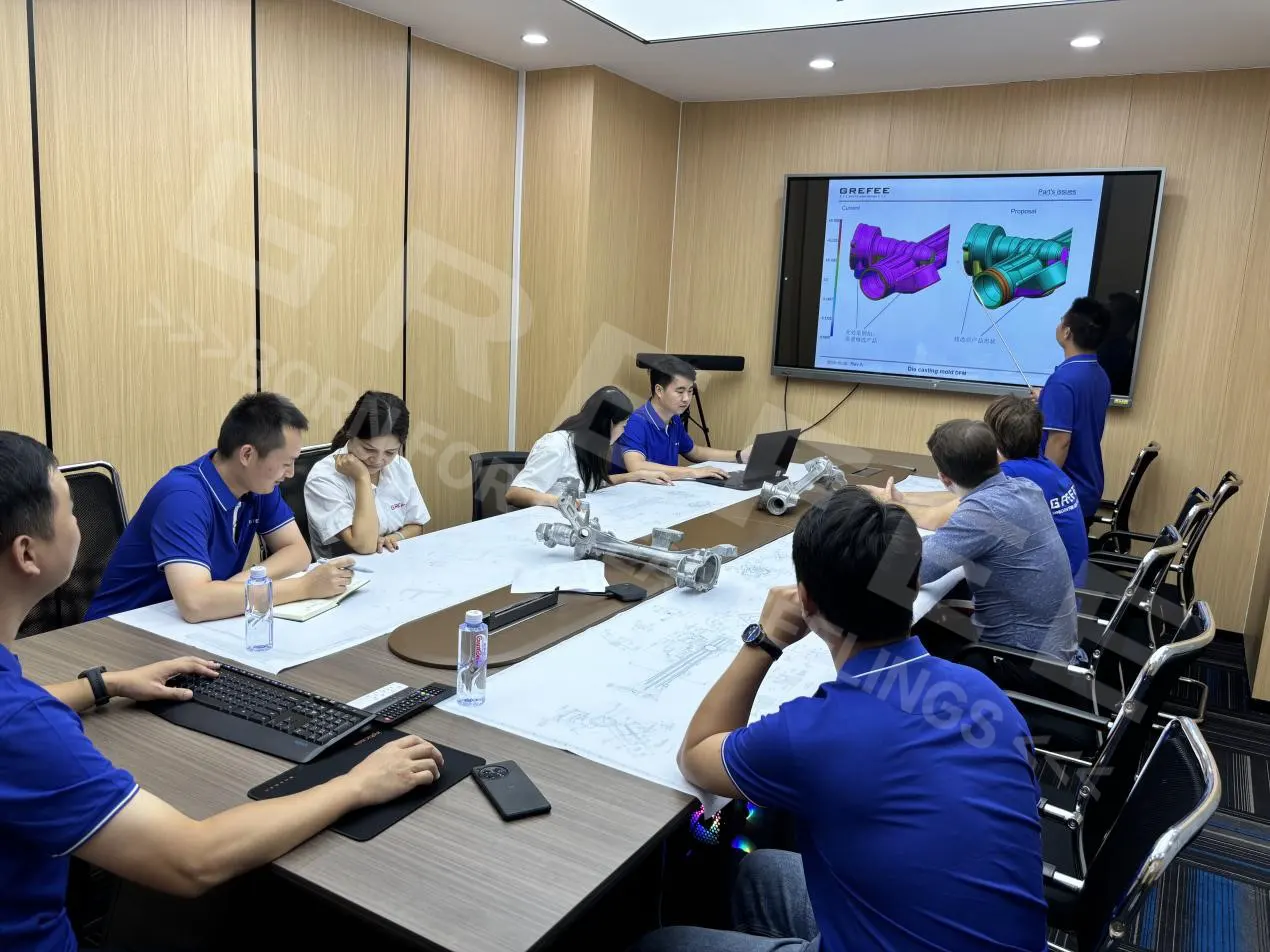
GREFEE’s international team has accumulated years of practical experience in the field of high-pressure die-cast automotive parts and can provide professional and efficient full-process support to global customers. Team members are proficient in multiple international languages, enabling barrier-free communication with customers in different regions. They also have fluent Chinese communication skills, allowing seamless collaboration with GREFEE’s professional engineering team to ensure accurate and efficient technical docking and demand transmission. During key stages of project advancement, international team members can also visit the customer’s site at any time to discuss project difficulties in person, synchronize solutions, closely follow the project progress throughout the process, and promptly resolve various potential issues to ensure the smooth implementation of the project.
Advantage 2: Professional Engineering Team
The manufacturing of automotive steering shafts is highly technically complex. A single product has nearly 1,000 dimensional parameters, among which there are more than 100 key dimensional control points, with extremely strict requirements for precision and consistency. The qualified delivery of such complex products relies on the close collaboration and joint efforts of multiple teams, including the engineering department, mold manufacturing department, production department, and testing department.
GREFEE has established a comprehensive project management and control system, which clearly requires that a full manufacturability assessment must be conducted for all new projects at the initiation stage. By in-depth decomposition of customer needs and accurate analysis of core drawing information, core members of various departments can quickly understand product details, accurately identify technical key points and potential risk points, and complete the collaborative alignment of process planning, mold design, production processes, and testing plans in advance. This lays a solid foundation for the efficient advancement of subsequent mold manufacturing, the stable control of the production process, and the accurate compliance of the final product.

Advantage 3: Experienced Design Team
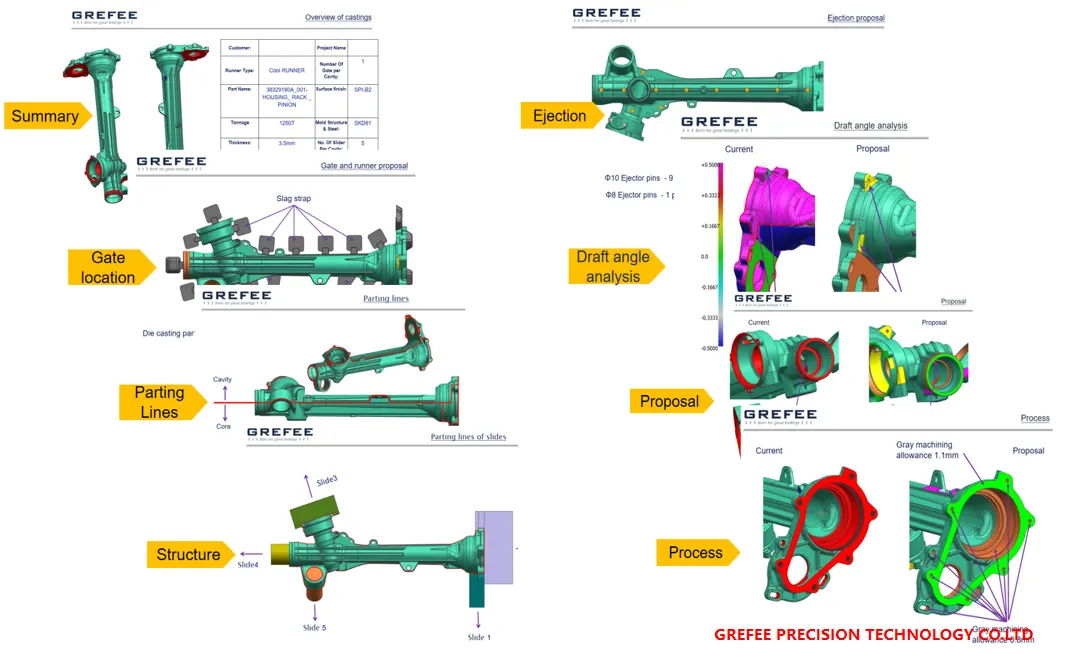
Based on specific customer requirements, detailed drawing information, as well as the core characteristics and detailed standards of the product, GREFEE systematically integrates comprehensive product information into the DFM analysis report. GREFEE has an efficient response mechanism: within 24 hours after the launch of a regular new project, it can deliver a comprehensive and detailed DFM document to the customer, accurately feeding back key information about product manufacturing. The document provides practical manufacturing implementation plans and scientific optimization suggestions. Through in-depth communication and alignment with customers based on the DFM report, the feasibility, rationality, and efficiency of product manufacturing are guaranteed from the source.
1.Basic Information Synchronization: Clarify core customer requirements, key drawing parameters, product application scenarios, and performance standards to ensure the error-free transmission of information.
2.Routine Design Analysis: Cover core manufacturing links such as parting line planning, gate location and type selection, ejection system layout, and exhaust scheme design.
3.Structure and Wall Thickness Optimization: Evaluate the rationality of the product structure and propose suggestions to avoid undercuts and strengthen weak parts; analyze the uniformity of wall thickness to avoid the risk of defects such as shrinkage holes and air holes.
4.Potential Defect Prediction and Solutions: Identify potential problems in the molding process in advance, such as insufficient filling, mold sticking, and deformation, and provide targeted prevention and improvement plans.
5.Process Feasibility Assessment: Combine mold manufacturing, production processing, and testing processes to clarify the key points of product manufacturability and optimize production efficiency and cost control.
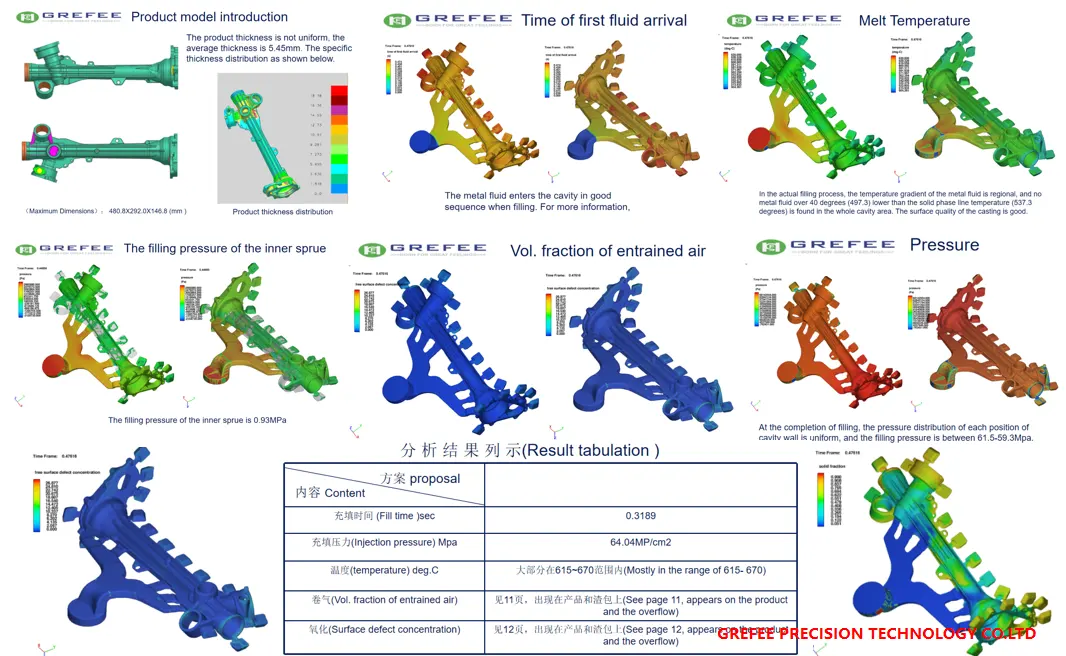
Comprehensive Mold Flow Analysis
After the DFM of all new projects is approved, mold flow analysis will be conducted. Through mold flow analysis, potential problems of the product during production can be identified. This analysis can simulate the filling and solidification processes of the molten metal, predict defects such as runner blockages, air holes, and shrinkage holes, thereby reducing the number of mold trials and costs.
At the same time, based on the analysis results, the gate, runner layout, and process parameters can be optimized to ensure the uniform flow of molten metal and smooth exhaust, improving the molding quality and consistency of the product. It can also assist in evaluating the rationality of the mold cooling system, shortening the molding cycle, and ensuring the service life of the mold. This provides data support for subsequent mold optimization, mold trials, and production, and is also an important factor enabling GREFEE to achieve multi-batch steering shaft production annually. Through professional analysis by professionals, various minor issues in the mold design, manufacturing, and production processes are eliminated, improving the success rate of mold trials.
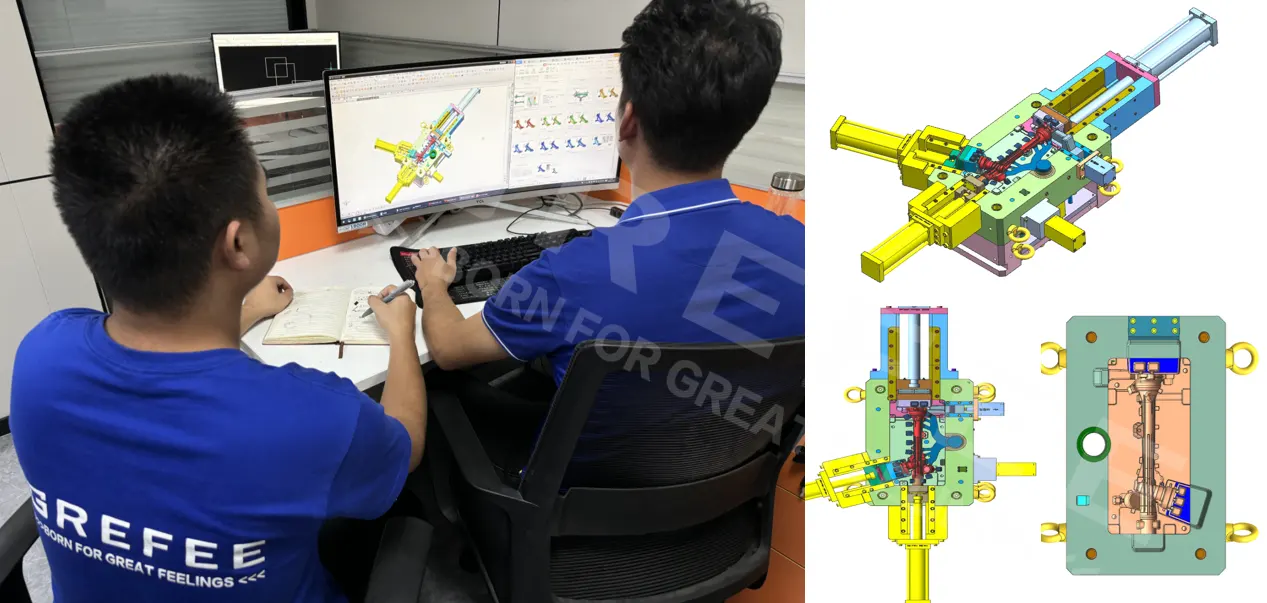
Mold Design
GREFEE has assembled a team of senior design engineers with more than 15 years of experience each. Relying on profound technical accumulation and rich practical experience, the team can efficiently and accurately carry out mold design work based on DFM analysis results. During the design process, engineers deeply rely on the detailed DFM analysis report and accurate mold flow analysis data obtained in the early stage, making mold design not only efficient and fast but also accurate and controllable, effectively avoiding design deviations and the risk of later modifications.
After the customer confirms the DFM plan, GREFEE promises to deliver a complete and suitable core mold design plan within two days. Meanwhile, the design team leader and design engineers work together to complete the entire set of mold design work, optimize the mold structure, and design the content reasonably, ensuring that each set of molds can accurately meet the product process requirements and lay a solid foundation for subsequent mold manufacturing.
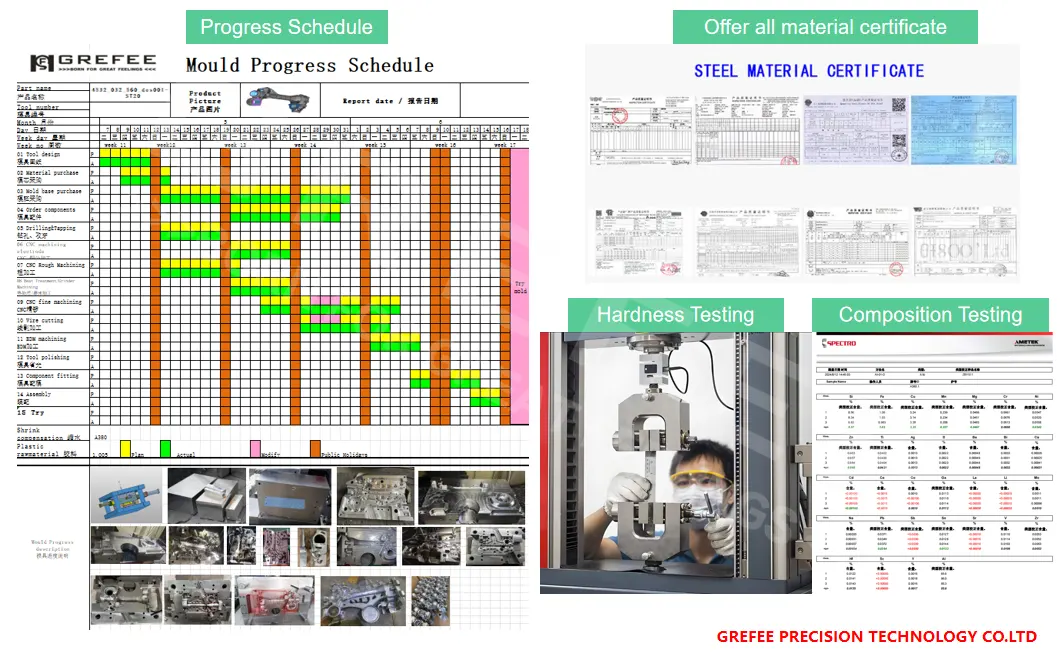
Mold Manufacturing
The mold manufacturing cycle is related to the difficulty level of the mold. Generally, the manufacturing cycle of a set of molds is approximately 25 to 35 days. After the customer confirms the mold design drawing, we will provide a mold progress schedule to the customer and update the progress once a week, allowing the customer to keep track of the mold manufacturing progress in a timely manner. At the same time, the hardness and composition of all mold raw materials will be tested immediately, and the factory certification, composition specification, hardness test report, quenching report, etc., will be sent to the customer via email.
Mold Trial Meeting
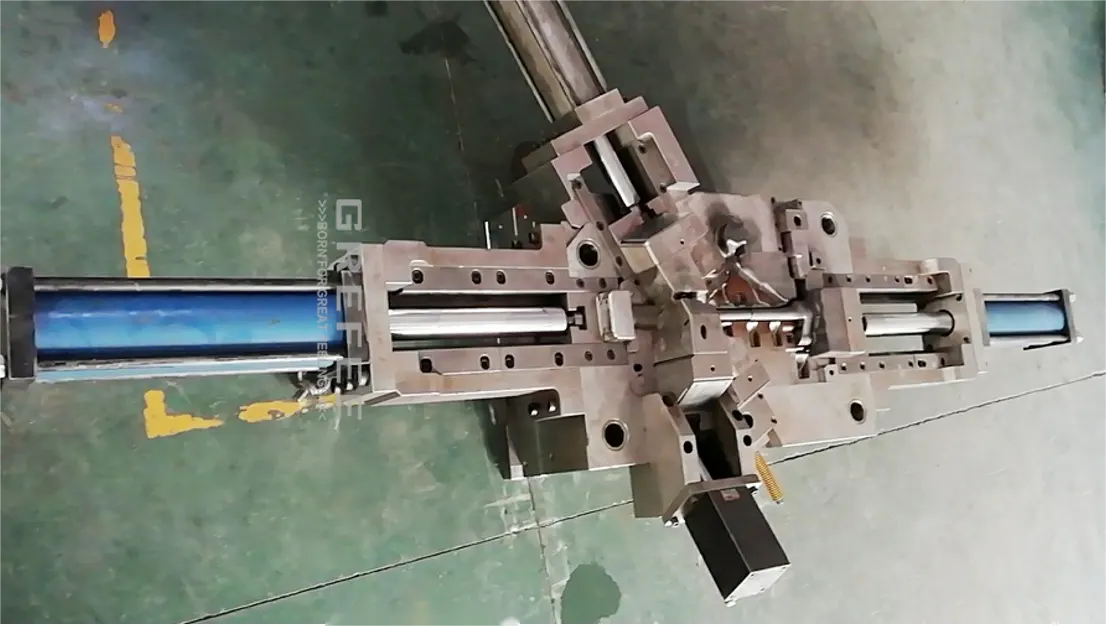
GREFEE has a comprehensive mold trial process. For such medium-sized die-cast automotive core parts, we clearly require that a mold trial meeting must be held before the mold trial to communicate customer requirements to the supervisors of various departments. In addition to the mold trial engineer, personnel in key positions such as design engineers, machining department staff, and testing department staff must participate in the entire process. This ensures that all personnel involved in mold trials and processing fully understand the product characteristics, dimensions, and core requirements, and accurately transmit key information, avoiding the risk of omissions from the source.
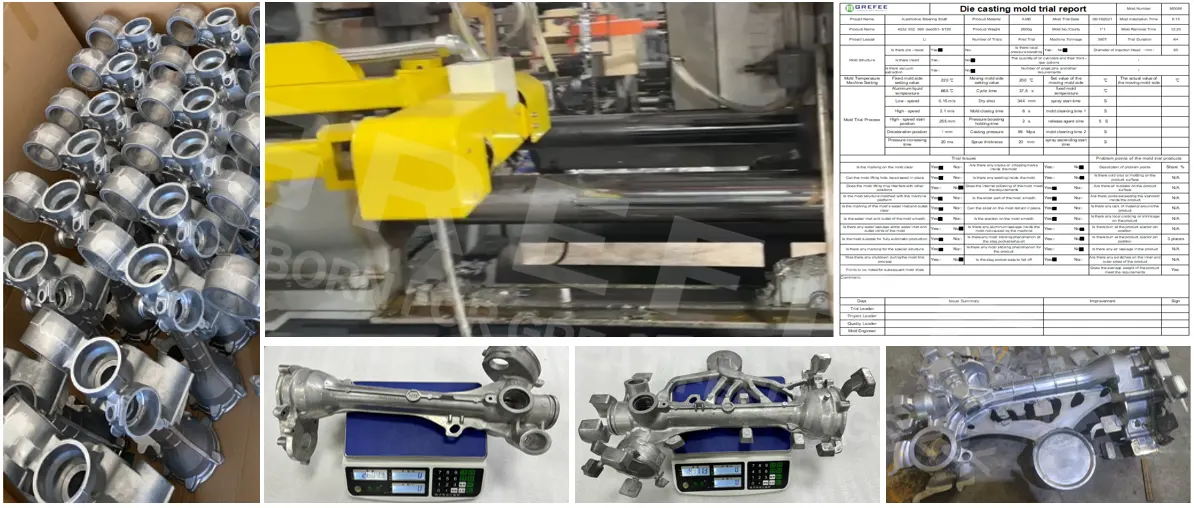
Mold Trial Process
GREFEE adopts a scientific and standardized mold trial process and simultaneously records the entire process of each mold trial in the form of video recording. The recorded content covers key links such as the 3-minute live demonstration of the finished product mold trial, machine tool parameter settings, and finished product testing. The relevant videos will be synchronized to the customer in real time, ensuring that the customer can keep track of the mold trial details and progress at any time. After the mold trial is completed, we will inspect the product and mold in accordance with the standard process immediately and issue a mold trial report within 4 hours, summarizing the problems encountered during the mold trial and the corresponding solutions, and feeding back the information to the customer simultaneously.
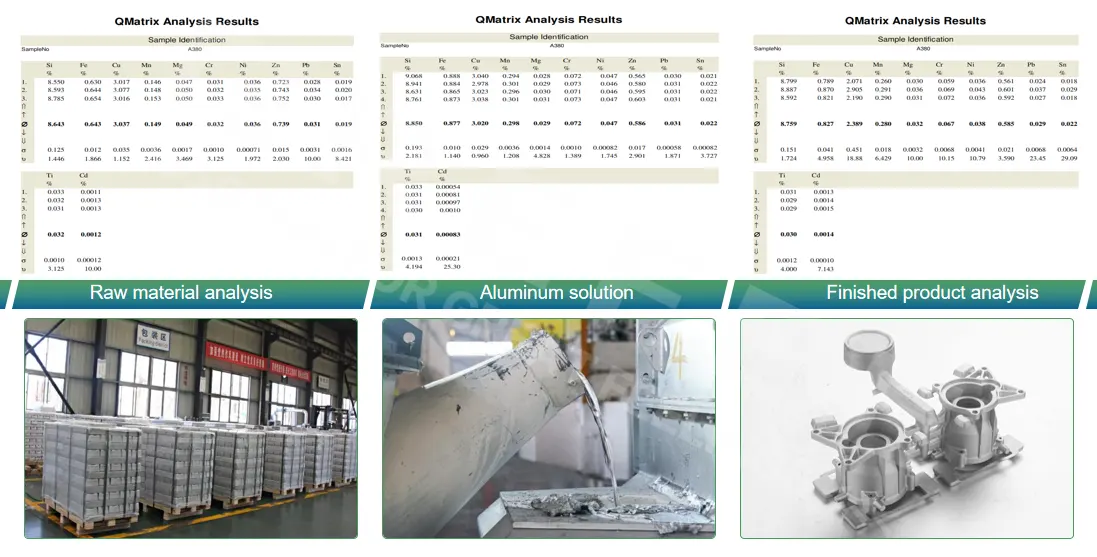
Spectral Analysis
Quality testing is the core guarantee of product quality, and GREFEE implements strict standards for product quality testing. Whether in the mold trial, trial production, or mass production stage, the standardized testing process is strictly followed. Raw material testing is the primary element of product quality, and we have established a three-fold material testing mechanism to control quality from the source, eliminate potential problems of raw materials at the source, and completely eliminate material-related quality hazards through accurate testing at multiple nodes throughout the process.
1.GREFEE collaborates with brand-name raw material suppliers to obtain material property sheets and material certificates.
2.Conduct comprehensive analysis and recording of incoming materials, verify product batches, sample raw materials for composition testing, and keep records.
3.Conduct three material sampling tests (on aluminum ingots, aluminum liquid, and die-cast finished products) during the process from aluminum ingots to finished products. Through spectral analysis, confirm that the material composition meets the requirements.
Full-Size Report
Full-size testing is a key link to verify whether the dimensional accuracy of the automotive steering shaft fully meets the customer’s design standards. GREFEE has established a refined testing system covering all dimensional parameters of the product, ensuring that every dimensional index is accurately verified.
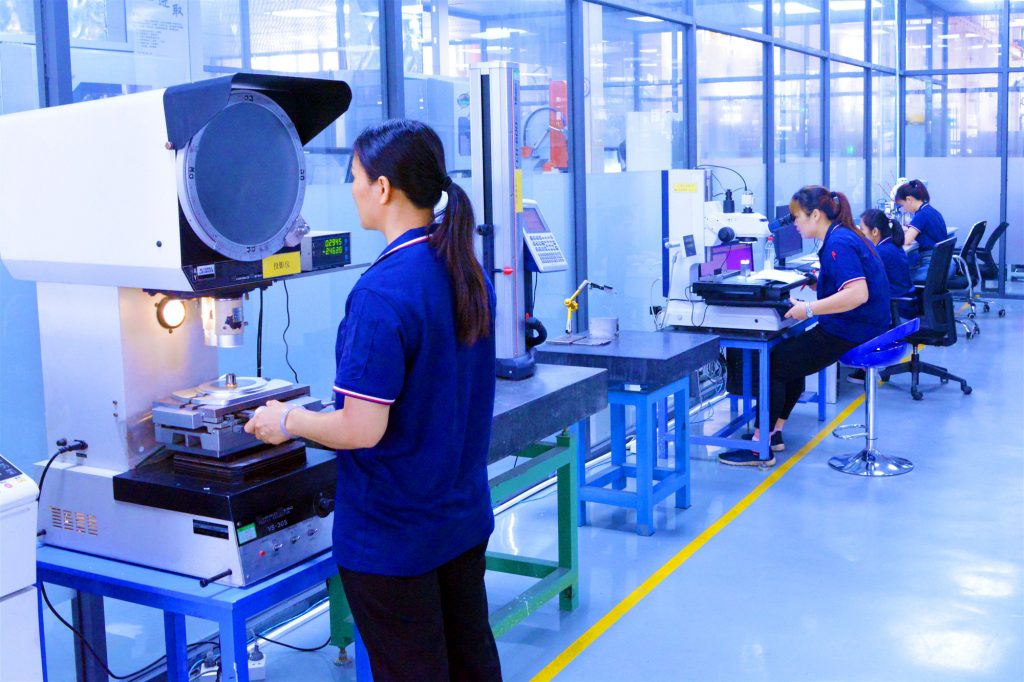
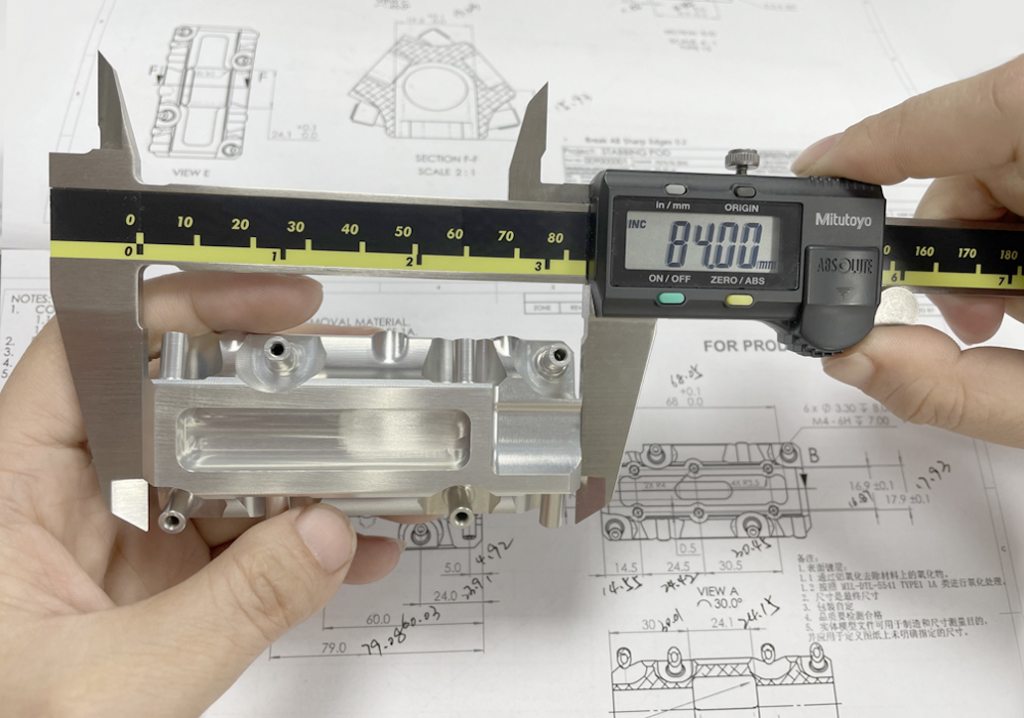
In terms of testing implementation, GREFEE follows the highest-level testing standards for such ultra-precision products. Firstly, in terms of testing equipment, it is equipped with a ZEISS coordinate measuring machine (CMM) with a measurement accuracy of up to 0.002mm, which can accurately capture the slight deviations of nearly 1,000 dimensional parameters of the product. In terms of personnel, for more than 100 key dimensional control points, two testing personnel independently complete the measurement respectively, and then cross-verify the data. By adopting a dual verification mechanism, the accuracy and reliability of key dimensional data are ensured.
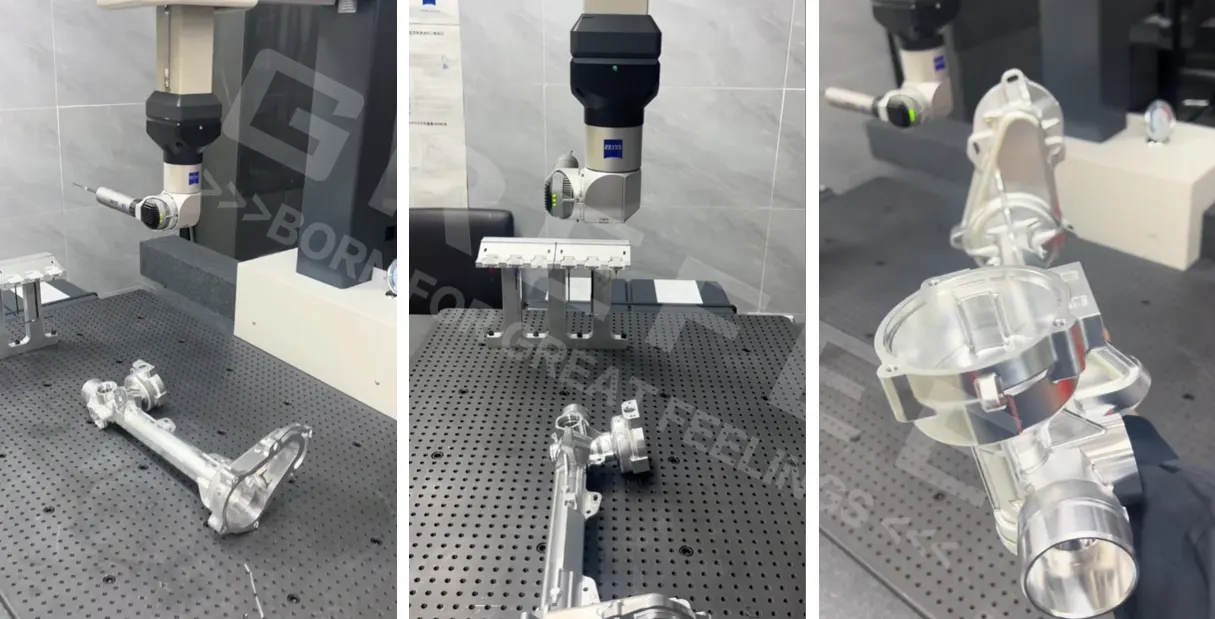
The generation of the full-size report follows a standardized process. The report not only clearly presents the measured value of each dimension, the standard value required by the customer, and the tolerance range but also uses charts to display the dimensions more intuitively. In addition, within 24 hours after the completion of the full-size testing, GREFEE will send the complete report to the customer via an encrypted email. At the same time, a dedicated person will be assigned to communicate with the customer to interpret the report content and answer the customer’s questions about the dimensional data, ensuring that the customer has a comprehensive and clear understanding of the product’s dimensional accuracy.

X-Ray Testing
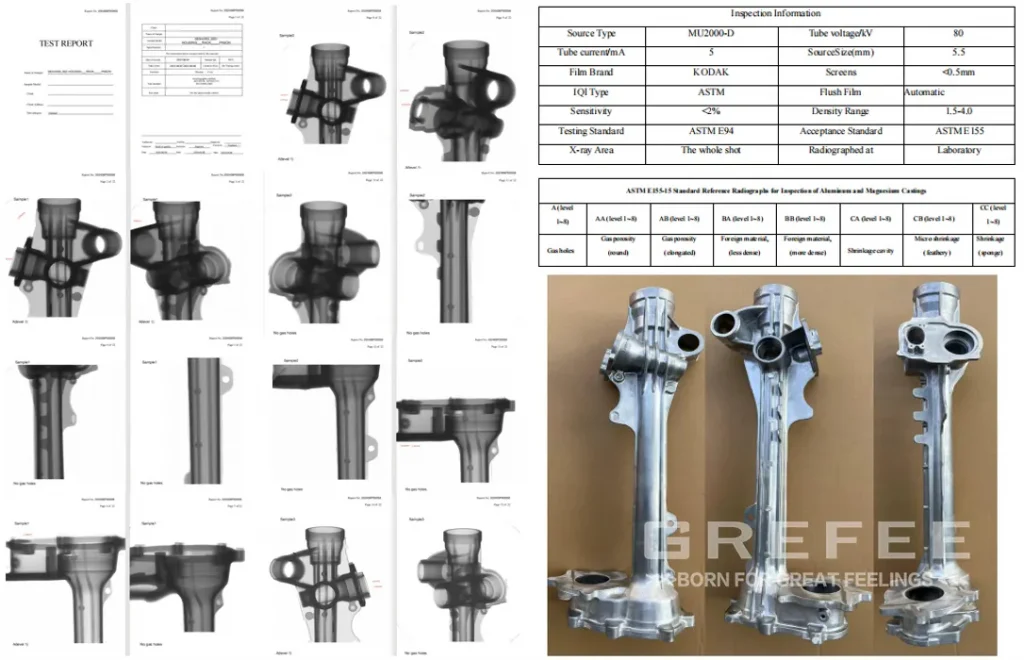
As a core component of the automotive suspension system, the internal quality of the steering shaft is crucial. X-ray testing technology can conduct a comprehensive and non-destructive quality inspection of the internal structure of the product, fundamentally eliminating the hidden danger of internal defects. GREFEE conducts X-ray testing on three steering shafts from each batch, performing a comprehensive non-destructive inspection through X-ray testing technology to accurately identify internal defects such as air holes and shrinkage holes. For special positions, the imaging parameters are adjusted, and dense scanning with a spacing of 0.5mm is performed on key stress-bearing parts to ensure that the core positions of the parts are free of defects.
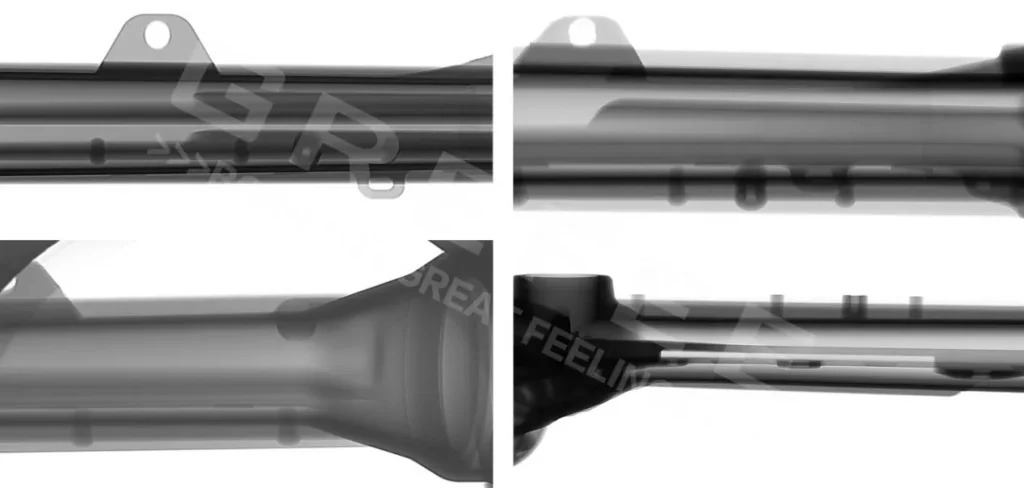
For the testing and analysis results of the special positions of the steering shaft, GREFEE will fully record them through multi-angle videos and publicly discuss relevant issues in the mold trial meeting to accurately control product quality and further verify the internal quality. The X-ray testing report, together with the full-size report and material testing report, forms a product quality traceability file. The report includes complete content such as testing equipment information, parameter settings, defect images, and analysis conclusions, which are synchronized to the customer via email to ensure the timely and efficient transmission of information.
Conclusion
To achieve the goal of becoming a leading global supplier of automotive parts and consolidate its leading position in the field of high-pressure die-cast automotive steering shafts, GREFEE has formulated a clear plan for technological development and production capacity improvement. This plan supports continuous innovation in mold manufacturing, adopts scientific mold trial processes to increase the success rate of mold trials to over 90%, and continuously enhances core competitiveness.
In terms of technological innovation, GREFEE will increase R&D investment to tackle the manufacturing technology of lightweight steering shafts, improve product structural design using optimization technologies, and reduce the usage of unnecessary materials. The goal is to reduce the weight of the steering shaft by 10%-15%. At the same time, it will further improve the internal quality and surface precision of the product to meet the higher performance requirements of high-end vehicle models for steering shafts.
In the field of intelligent production, GREFEE will introduce an industrial internet platform to carry out intelligent transformation of production equipment. Through real-time collection, analysis, and monitoring of equipment data, and by using big data analysis technology, it will optimize production process parameters, predict the risk of equipment failures, reduce production downtime, and improve production efficiency.
MORE BOLG
Insert mold in injection mold service
What are advantages and disadvantages of Zinc alloy and Aluminum alloy?
Inspection standards for injection molded partappearance
How to judge the quality of your plastic products?
Inspection standards for CNC machining
To ensure that your products are 100% qualified
Categories

Try GREFEE now,for free
We keep your uploaded files confidential and secure.